

Wisconsin Has a Massive Budget Surplus. What Will the Next Governor Do With It?
Fiscal discipline faces political resistance as debt accumulation threatens future generations.
A budget surplus is just money the government took from people and didn't get around to spending yet. That's worth remembering every time a state capitol crows about a "surplus" like it's a jackpot the government won rather than a pile of overpayment sitting in Madison that belongs to the people who earned it. Wisconsin's got one of these piles right now, and the whole election is basically a referendum on whether it goes back to the taxpayers or gets absorbed into the permanent machinery of state spending.
New Republican Times Editorial Board
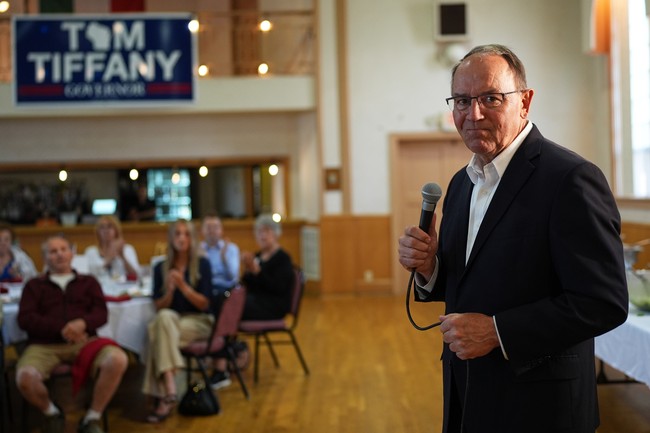
Wisconsin has a massive budget surplus, and that's good news for taxpayers. Maybe. It all depends on who they elect as their next governor, of course, because Republican Tom Tiffany and Democrat David Crowley have very different plans for that money — your money.
Original source:
Read at TownhallHow We See It
New Republican Times Editorial Board
A budget surplus is just money the government took from people and didn't get around to spending yet. That's worth remembering every time a state capitol crows about a "surplus" like it's a jackpot the government won rather than a pile of overpayment sitting in Madison that belongs to the people who earned it. Wisconsin's got one of these piles right now, and the whole election is basically a referendum on whether it goes back to the taxpayers or gets absorbed into the permanent machinery of state spending.
Tom Tiffany and David Crowley aren't offering variations on a theme here. One side of this race treats the surplus as evidence that Wisconsin families are overtaxed and deserves to see some of that money again in their own pockets. The other side treats it as a resource waiting to be deployed, a down payment on new programs that, once funded, essentially never go away. That's the pattern in state after state: the "temporary" surplus spending becomes next year's baseline, and when the surplus dries up, so does the option of giving it back.
None of this is abstract for the people actually cutting checks to the state every payday. A dollar returned through a tax cut is a dollar a family decides how to use, whether that's rent, tuition, or just breathing room. A dollar folded into government spending is a dollar someone in Madison decides for them, and that decision has a way of sticking around long after the surplus that justified it is gone.
Wisconsin voters have a genuinely clear choice in front of them, which is rarer than it sounds in modern politics. Whoever wins in November will decide whether this windfall gets handed back or absorbed. That's worth paying attention to, because surpluses don't last, but spending commitments almost always do.
Commentary written with AI assistance by the New Republican Times Editorial Board.