

NRT briefing
Zimbabwean author denies using AI to write award-winning story
Based on reporting by BBC News.
The Brief
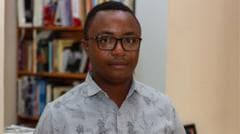
Zimbabwean writer Simbarashe Kundizeza has denied using artificial intelligence to write his short story "The Blue Fighter," which won this year's Caine Prize for African Writing. His statement on X came after an article in The Atlantic reported that AI-detection software Pangram had indicated the story was entirely AI-generated.
Caine Prize chair Ellah Wakatama told the BBC she was shocked that the magazine had not waited for a full investigation before publishing, saying she wished The Atlantic had gathered more evidence before "tainting the prize and tainting this winner." Wakatama said Kundizeza would provide documentation of his drafts as part of an internal investigation.
The Atlantic's Vauhini Vara cited Pangram's research showing its assessments were rarely wrong, but she conceded that any AI-detection product was "not going to be 100% accurate." Some African writers and publishers have suggested such accusations disproportionately target Black and African writers, with Nigerian publisher Modupe Daramola questioning why Pangram's assessment should be treated as definitive.
In his denial, Kundizeza said he had "a concrete, documented history" of the story's inspiration and chronology. He previously told the BBC he was inspired by a poem about a father's obsession with building fish tanks, weaving it with details from his own life during Zimbabwe's economic troubles.
NRT commentary
How We See It
The accusation against Simbarashe Kundizeza highlights the dangers of relying on AI-detection tools as definitive arbiters in literary matters. While such tools may serve as initial flags, they are not infallible and can wrongly accuse human writers, especially those from non-Western backgrounds.
The Atlantic's decision to publish its findings before the Caine Prize's own investigation concluded was premature and risked unfairly tarnishing a deserving winner. As the Caine Prize chair noted, using these tools as a "final arbiter" is problematic when the technology is still rough and ready.
This incident should prompt literary organizations to establish clear protocols for handling AI-related allegations, ensuring fairness and due process for all writers. The presumption of innocence should apply, and Kundizeza's documented drafting process deserves full consideration before any conclusions are drawn.
Commentary uses AI assistance. What is How We See It? Read about our automated checks or report a correction.