

NRT briefing
Toilet paper and secret recorders: What we know about the arrest of the Saudi OpenAI engineer
Based on reporting by BBC News.
The Brief
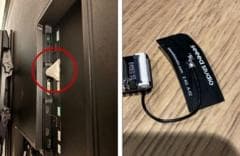
Abdulrahman Alfozan, a 35-year-old Saudi national and OpenAI engineer, appeared in federal court this week after being arrested by the FBI on charges of using or attempting to use a device to intercept oral communications. Alfozan allegedly planted a recording device wrapped in toilet paper behind a television in a meeting room at OpenAI’s offices.
Court documents say the room was regularly used to discuss confidential technical, commercial, and strategic information, as well as government engagements.
Alfozan, who had worked at OpenAI since July 2025, is accused of asking a productivity AI assistant about meeting room availability, and using a chatbot associated with his spouse to seek advice on building and installing a recording device. Security footage captured him near the conference room on multiple occasions.
On 5 October, he was filmed looking behind the TV, and an unattended bag containing another recording device, along with his wallet and ID, was found in a different room.
OpenAI stated that it found no indications that Alfozan accessed or exfiltrated model weights, source code, or customer data. His lawyer, William Pernik, said the allegations are "wholly out of character" and emphasized that Alfozan is presumed innocent. A detention hearing is set for 19 October, and Alfozan faces up to five years in prison if convicted.
NRT commentary
How We See It
The case underscores the growing risks of insider threats at AI firms, where proprietary models and sensitive client information are prime targets for foreign intelligence. While Alfozan is presumed innocent, the FBI's handling of the case and OpenAI's swift termination suggest companies are taking such breaches seriously.
The fact that Alfozan allegedly used AI tools to plan the recording is ironic and highlights the dual-use nature of the technology. As the investigation unfolds, it could prompt tighter background checks and more vigorous monitoring of employee activities, which may create privacy trade-offs in the workplace.
Congress is likely to scrutinize these security practices as part of broader debates on AI regulation and national security.
Commentary uses AI assistance. What is How We See It? Read about our automated checks or report a correction.