
NRT briefing
What we know so far about deadly fire at Canadian military base
Based on reporting by BBC News.
The Brief
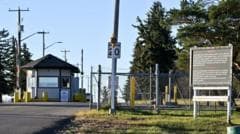
At least four Canadian service members are confirmed dead after a fast-moving grass fire swept through Canadian Forces Base Wainwright in Alberta on Saturday, according to officials. Nineteen of 39 people hospitalized are in critical condition.
Prime Minister Mark Carney called the blaze "one of the worst peace time tragedies on Canadian soil in the history of the military." Major-General Wade Rutland, Commander of 1st Canadian Division, said the fire ignited on a training range around 16:00 local time, and "uncommonly strong winds caused it to spread rapidly and shift direction" toward soldiers in exercises.
The cause of the initial fire remains under investigation, but the defence ministry says there is no indication of terrorist activity. Local media initially reported a gas main might have been struck during a live-firing exercise, but the military later said investigators do not believe explosions were caused by oil or gas infrastructure.
Royal Alexandra Hospital in Edmonton declared a code orange disaster protocol on Saturday evening, stood down Sunday afternoon. Alberta's health service said 22 ambulances and eight aircraft were used in a 10-hour response, and care for the injured is expected to be intensive.
NRT commentary
How We See It
This tragedy is a stark reminder of the dangers Canadian service members face even in routine training. The military's swift clarification that there is no terrorist link and no evidence of gas infrastructure involvement should temper premature speculation, but questions about how a grass fire could escalate so rapidly demand thorough answers.
The prime minister's framing as a "peace time tragedy" rightly honours the fallen and the responders who risked their lives. Yet as investigators probe the cause, Canadians should expect transparency about whether wind conditions alone can account for such catastrophic spread, or if additional safety measures on training ranges are warranted.
The focus now must be on the injured and their families, but the hard lessons from Wainwright will shape how the Canadian Armed Forces prepare for and mitigate such risks in the future.
Commentary uses AI assistance. What is How We See It? Read about our automated checks or report a correction.