

A look inside the case that enshrined political power for billionaires - Sat, 09 May 2026 PST
This story raises questions about governance, accountability, and American values.
The premise that “for a brief moment” the rich didn’t control politics is a tidy story, but it’s also a selective one. It treats wealth as the only influence worth worrying about, while waving away the power that comes from entrenched bureaucracies, legacy media gatekeepers, and union machines. Conservatives don’t deny that money matters.
New Republican Times Editorial Board
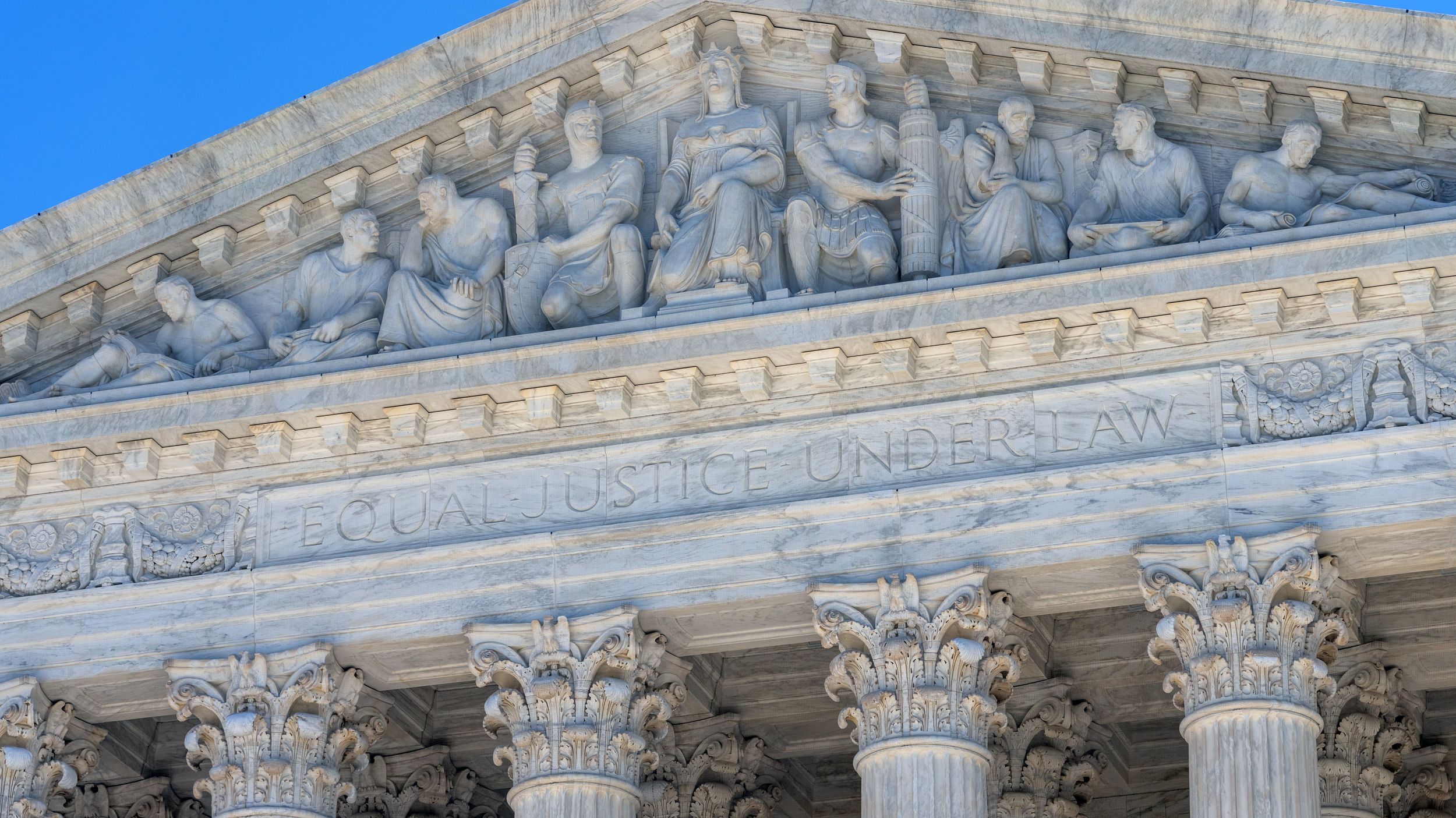
For a brief moment in American history, the rich didn’t control politics.
Original source:
Read at SpokesmanHow We See It
New Republican Times Editorial Board
The premise that “for a brief moment” the rich didn’t control politics is a tidy story, but it’s also a selective one. It treats wealth as the only influence worth worrying about, while waving away the power that comes from entrenched bureaucracies, legacy media gatekeepers, and union machines.
Conservatives don’t deny that money matters. We deny that the answer is letting government decide who gets to speak and how loudly. When coverage reduces campaign finance to a morality play about billionaires, it misses the harder question: how to protect free political speech without inviting incumbent-protection rules that freeze out outsiders and grassroots challengers.
The case law at issue should be judged by equal treatment under the law, not by whether it produces a preferred political outcome. If reform is needed, focus on transparency and enforcement, not speech rationing.
The real stake is public trust in elections that are open, lawful, and resistant to manipulation by any faction, rich or official.
Commentary written with AI assistance by the New Republican Times Editorial Board.