

Abdul El-Sayed protested against 'ex-terrorists' who converted to
Progressive policy ambitions meet practical realities as Americans weigh costs and consequences.
Abdul El-Sayed wants Michigan voters to see him as a steady, mainstream Democrat. Fine. Then he should explain why, back in 2007 at the University of Michigan, he helped lead a protest against a campus event featuring former terrorists who were talking about converting to Christianity.
New Republican Times Editorial Board
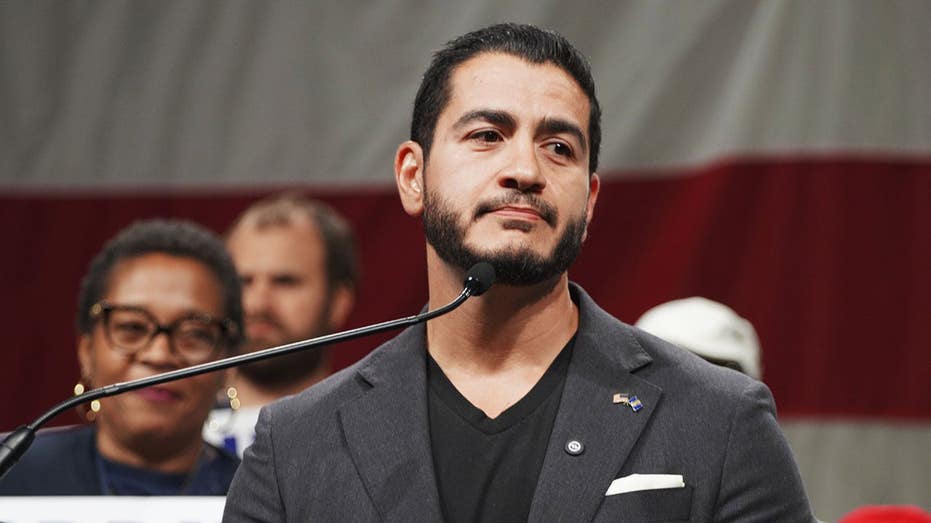
Democratic Senate nominee Abdul El-Sayed led a 2007 University of Michigan protest against ex-terrorists who discussed converting to Christianity.
Original source:
Read at Fox NewsHow We See It
New Republican Times Editorial Board
Abdul El-Sayed wants Michigan voters to see him as a steady, mainstream Democrat. Fine. Then he should explain why, back in 2007 at the University of Michigan, he helped lead a protest against a campus event featuring former terrorists who were talking about converting to Christianity. He didn’t protest violence. He protested repentance. That is a strange hill to pick, and it says something about what kinds of voices he thought deserved to be heard.
If the speakers were glorifying what they’d done, that would be one thing. But the whole point of “ex-terrorists” telling their story is that they stopped being terrorists. Most Americans, left and right, understand the basic idea: if someone renounces evil and tries to warn others away from it, you don’t shout them down. You listen, you question, you learn. College is supposed to be a place for hard conversations, not vetoes.
This also fits a familiar pattern. A lot of Democrats treat religion, especially Christianity, like a suspect category. If it’s “authentic” faith that lines up with their politics, they applaud it. If it’s a Christian conversion story that challenges their priors, they rush to shut it down. El-Sayed doesn’t get to act surprised when voters see that and wonder whether he’ll bring the same instinct to the Senate: not just disagreeing, but trying to silence.
We’re not asking for a groveling apology for something he did as a student. We’re asking for a clear answer: was he wrong to protest that event, and would he still do it today? Michigan has plenty of real problems that need serious leadership. If he can’t level with people about this, why should they trust him with bigger calls?.
Commentary written with AI assistance by the New Republican Times Editorial Board.