

Abdul El-Sayed's Sexist Comments Toward Breast Cancer Patients
Progressive policy ambitions meet practical realities as Americans weigh costs and consequences.
You have to wonder if Abdul El-Sayed ever paused before hitting publish on that 2012 gem. The man is running for the U. S.
New Republican Times Editorial Board
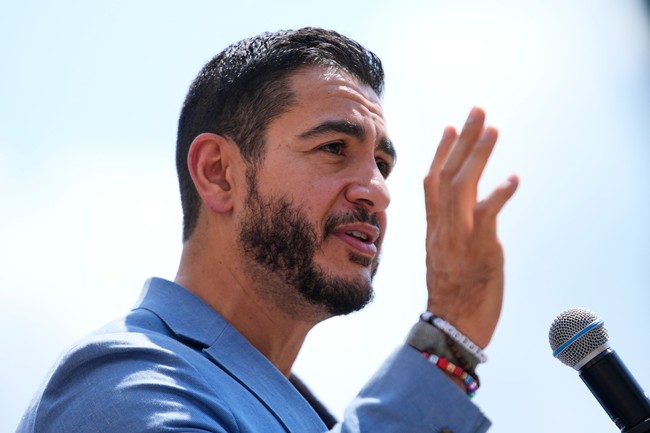
Democrat Abdul El-Sayed, who is running for the U.S. Senate in Michigan, is facing growing backlash for his insensitive and sexist comments over breast cancer funding. Last week, El-Sayed drew fire from Republican Mike Rogers after a 2012 essay resurfaced in which El-Sayed attacked the "Pink Ribbon Lobby" and wrote that breast cancer funding was prioritized because the disease affects people with "social power and privilege."
Original source:
Read at TownhallHow We See It
New Republican Times Editorial Board
You have to wonder if Abdul El-Sayed ever paused before hitting publish on that 2012 gem. The man is running for the U.S. Senate in Michigan, and he thought it wise to write that breast cancer funding is basically a conspiracy of the privileged. His words: the "Pink Ribbon Lobby" pushed this cause because breast cancer affects people with "social power and privilege." That's not a policy critique. That's a sneer at every family that has walked a loved one through chemotherapy.
El-Sayed's logic suggests that some diseases deserve attention more than others, and that the public's sympathy for breast cancer patients is somehow a function of their status. It is a profoundly condescending way to view the world. The women battling this disease aren't buying "social power" with pink ribbons; they are fighting for their lives. Suggesting their struggle is a function of the old left-wing reflex to reduce everything to identity politics is insulting to the patients, their doctors, and the millions of Americans who donate to the cause without a second thought.
Republicans, led by Mike Rogers, have rightly called this out. And it's not just about one crappy take from over a decade ago. It's that this is who El-Sayed is. He's the type of progressive intellectual who views human suffering through a lens of privilege and power dynamics rather than simple, shared humanity. The fact that this essay is surfacing now should matter to Michigan voters, because it tells you how he'd approach healthcare policy in Washington. If he thinks funding for a disease is a matter of which lobby has the most "clout," he's more interested in Marxist power structures than in cures.
The gall of it is that breast cancer research and advocacy has become one of the few genuinely bipartisan efforts left in this country. Republicans and Democrats stand together for the pink ribbon because they understand that cancer doesn't care about your tax bracket. El-Sayed seems to think it's all a game of influence peddling. That's not an "unfortunate phrasing" issue; it's a fundamental character flaw. A Senate campaign is a strange place for that kind of talk. He might want to remember that in Michigan, a lot of those privileged women with breast cancer vote.
Commentary written with AI assistance by the New Republican Times Editorial Board.