

Activist Demands We Now Capitalize This Adjective for Political Reasons
This story raises questions about governance, accountability, and American values.
Grammar as grievance. That's where we've landed. Somewhere an activist decided that lowercase "disabled" isn't respectful enough, and now there's a campaign to capitalize it the way we capitalize proper nouns, nationalities, brand names.
New Republican Times Editorial Board
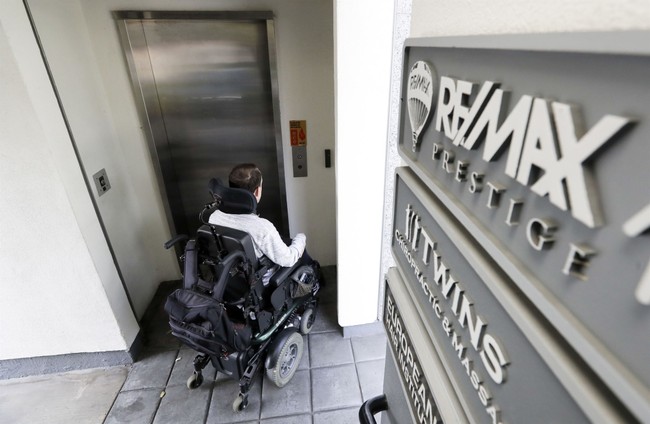
The Left loves intersectionality. It's the ideology that you can out-victim other groups, thus earning more social clout and power. They use these metrics in public policy in places like Portland, where a disabled woman couldn't get housing assistance because she didn't score as high as someone who was black, Hispanic, or LGBTQ.
She filed a lawsuit over that this spring.
Original source:
Read at TownhallHow We See It
New Republican Times Editorial Board
Grammar as grievance. That's where we've landed. Somewhere an activist decided that lowercase "disabled" isn't respectful enough, and now there's a campaign to capitalize it the way we capitalize proper nouns, nationalities, brand names. It sounds small until you realize it's the same instinct that built Portland's disability housing scoring system, the one that just got sued because a disabled woman couldn't get help unless she also checked a box for race or sexuality that scored higher.
That's the actual scandal buried under the spelling debate. A city built a points system where your hardship gets ranked against other people's hardship, and if your particular combination of traits doesn't add up right, you go without housing. Nobody voted for that. It got built quietly, by people convinced that stacking identities is a legitimate way to distribute public resources. Capital-D "Disabled" is just the linguistic front end of that same worldview, an attempt to elevate a category into something more official, more protected, more untouchable by ordinary debate.
We're not against decency in language. Call people what they want to be called, it costs nothing. But there's a difference between courtesy and coercion, and intersectional politics keeps blurring that line until refusing a capital letter feels like refusing someone's humanity. It isn't. It's just grammar. The real indignity here isn't a lowercase letter, it's a housing office in Portland telling a disabled woman she wasn't the right kind of disadvantaged to get help.
If activists want energy for a cause, we'd suggest the lawsuit over the style guide. One of those actually kept a person out of a home.
Commentary written with AI assistance by the New Republican Times Editorial Board.