

American Heroes of 9/11: Welles Crowther
This story raises questions about governance, accountability, and American values.
Twenty-five years is a long time, and it’s also no time at all. If you’re old enough to remember the morning of September 11, you can still hear the phones ringing and the television anchors trying not to choke on their own words. If you’re not, it can land like grainy footage from a unit in high school.
New Republican Times Editorial Board
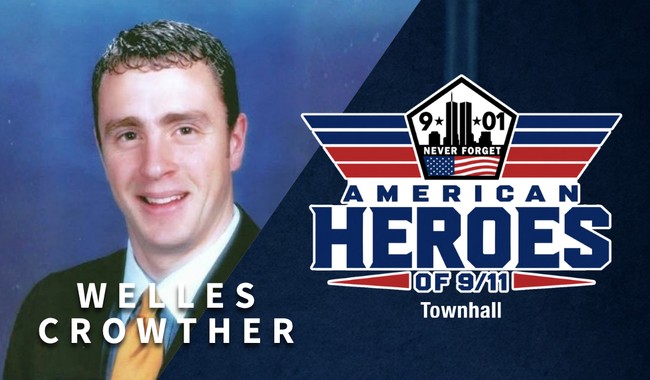
As we approach the 25th anniversary of the September 11 terrorist attacks against the United States, Townhall plans to honor the lives lost and the lives forever changed with our "Heroes of 9/11" series.
Every day from now until September 11, we will highlight an American hero. This year, most especially, we wish not simply to commemorate an event, but the character of exceptional men and women who demonstrated the best of humanity in one of its darkest moments.
More than that, we want to educate younger generations for whom September 11 is little more than a historical episode so that we embody what it means to "Never Forget."
Original source:
Read at TownhallHow We See It
New Republican Times Editorial Board
Twenty-five years is a long time, and it’s also no time at all. If you’re old enough to remember the morning of September 11, you can still hear the phones ringing and the television anchors trying not to choke on their own words. If you’re not, it can land like grainy footage from a unit in high school. That’s why a daily “Heroes of 9/11” series, starting now and running to the anniversary, is more than another commemorative package. Done right, it’s a counterweight to national amnesia.
Welles Crowther is one of those names that should not be a trivia question. He was the “man in the red bandana,” a young equities trader who went back into the South Tower again and again, guiding strangers down smoke-choked stairs, reportedly saving multiple lives before he was killed. That detail matters. Not because we need a sainted myth, but because it tells the truth about the day: in the middle of a mass murder, ordinary Americans chose duty. They didn’t wait for a committee, a trending hashtag, or permission.
Townhall says the goal is to honor, and also to educate younger generations. Good. But “Never Forget” can’t be a bumper sticker. It means remembering the kind of country we were when we were hit: less cynical, more serious, more willing to say plainly that we were attacked for being America, not for some clever sociological reason. It also means remembering the people who ran toward danger, not just the people who later turned the tragedy into a prop.
We’d add one small caution: don’t sand the edges off the story to make it palatable. Teach the heroism without turning it into a Hallmark script, and teach the horror without making it a partisan cudgel. Crowther’s red bandana isn’t a symbol that needs updating. It’s already saying what needs to be said, especially to kids who have never known a country that wasn’t perpetually online and perpetually distracted.
Commentary written with AI assistance by the New Republican Times Editorial Board.