

America's leading Asian allies pummel freedom of religion
This story raises questions about governance, accountability, and American values.
Two of our closest allies in Asia have spent the last several months tightening the screws on religious minorities, and it's worth asking why that hasn't gotten more attention here. Japan and South Korea aren't authoritarian basket cases we're trying to reform from the outside. They're wealthy, stable, technologically advanced democracies that sit at the center of our Pacific strategy.
New Republican Times Editorial Board
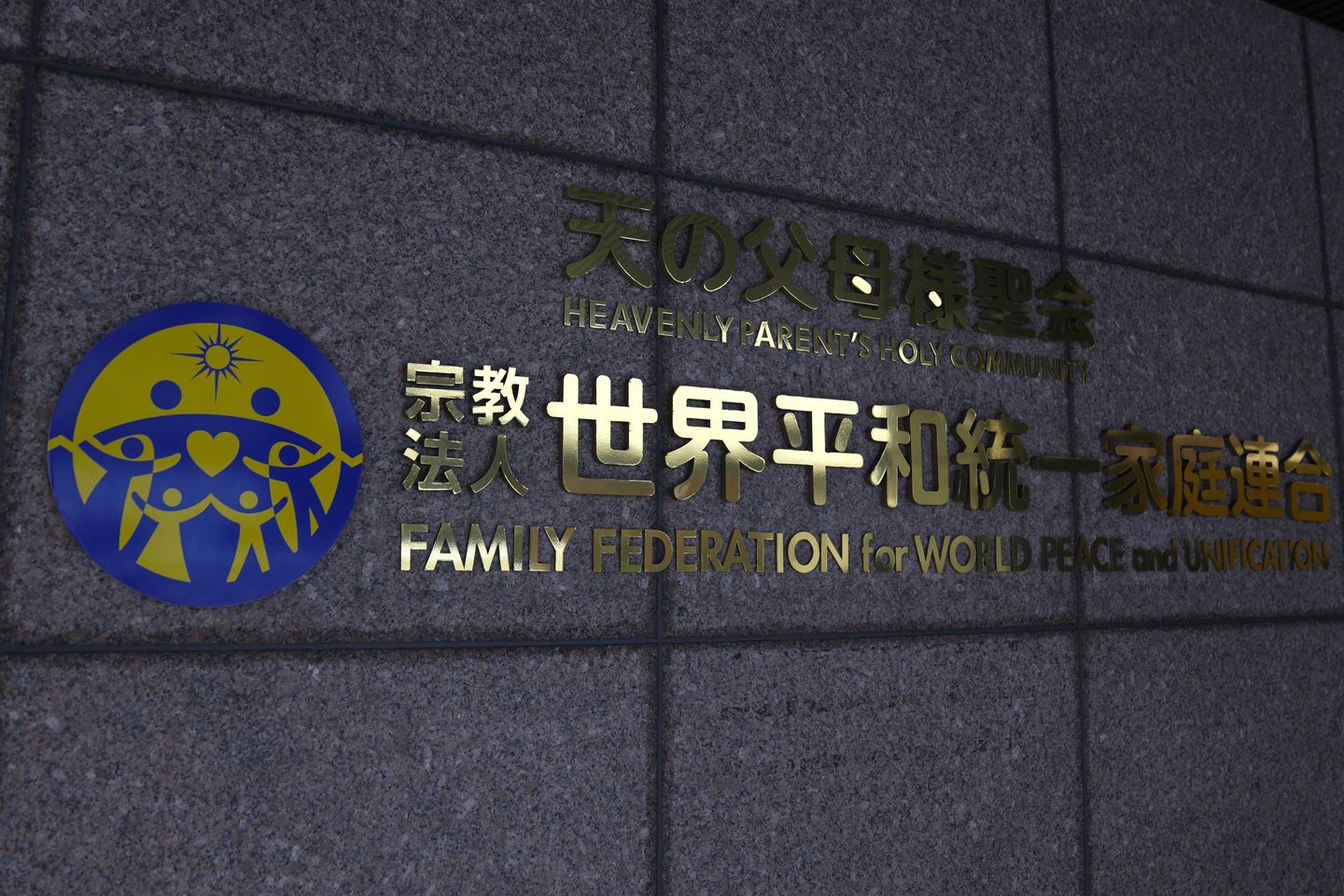
Japan and South Korea are both prosperous, successful democracies and core American allies -- but both Asian powerhouses have, in recent months, cracked down on religious freedom.
Original source:
Read at Washington TimesHow We See It
New Republican Times Editorial Board
Two of our closest allies in Asia have spent the last several months tightening the screws on religious minorities, and it's worth asking why that hasn't gotten more attention here. Japan and South Korea aren't authoritarian basket cases we're trying to reform from the outside. They're wealthy, stable, technologically advanced democracies that sit at the center of our Pacific strategy. When countries like that start squeezing religious groups, it tells you something about how fragile these commitments actually are, even in places we hold up as success stories.
It's easy to assume that once a country hits a certain level of prosperity and democratic maturity, freedom of conscience just comes along for the ride. Japan and South Korea prove that's not automatic. Both have long histories of viewing minority faiths, especially smaller Christian sects and new religious movements, with suspicion bordering on hostility. Scandals and public backlash against certain groups give governments cover to write broader rules that sweep up ordinary believers who never did anything wrong. That's a pattern Americans should recognize, because it's the same justification used anywhere religious liberty gets rolled back: punish the fringe, then quietly expand the net.
We shouldn't pretend our alliances hinge on lecturing Tokyo and Seoul about internal policy. They're sovereign nations, and Washington isn't in a position to dictate their domestic law. But we can be honest about what's happening instead of staying quiet because these are "friendly" governments. American foreign policy has a bad habit of reserving its human rights vocabulary for adversaries and going soft when allies stumble. That selectiveness is exactly why so many people tune out human rights talk from Washington in the first place.
If religious freedom means anything as a value we claim to export, it has to apply to friends too, not just to countries we're already inclined to criticize. Calling this out isn't an attack on Japan or South Korea. It's a reminder that the freedoms we say define us don't get a pass just because the country violating them happens to be on our side.
Commentary written with AI assistance by the New Republican Times Editorial Board.