

Analysis: Putin hints he might end Russia’s war in Ukraine. But why now?
European security questions expose tensions between alliance obligations and American interests.
The analysis treats Putin’s hints as a puzzle of timing and messaging, as if the right interpretation might unlock peace. That framing risks turning a brutal war into a parlor game about optics. Putin talks when it serves him, especially on a choreographed holiday meant to project strength at home.
New Republican Times Editorial Board
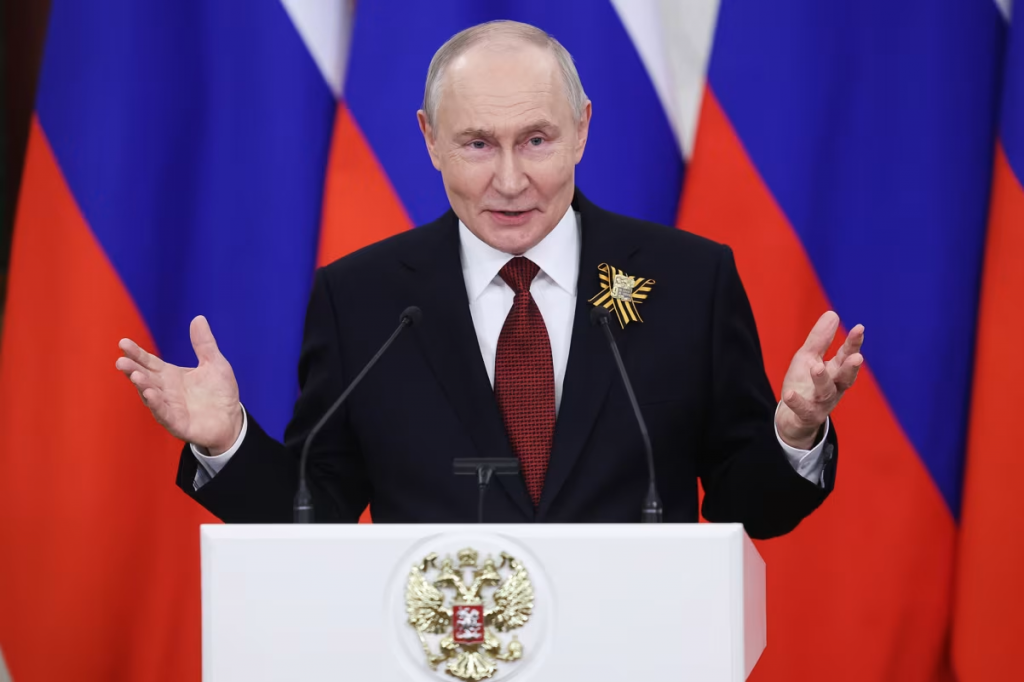
It was an unusual statement to make at a time of acute pressure. Russian President Vladimir Putin used the weekend’s hallowed May 9 Victory Day... Read More ›
Original source:
Read at JewishnewsHow We See It
New Republican Times Editorial Board
The analysis treats Putin’s hints as a puzzle of timing and messaging, as if the right interpretation might unlock peace. That framing risks turning a brutal war into a parlor game about optics. Putin talks when it serves him, especially on a choreographed holiday meant to project strength at home.
What gets missed is the Western habit of confusing words with constraints. Any “signal” from Moscow is leverage seeking sanctions relief, time to rearm, or a way to split allies. Conservatives should be clear-eyed about adversary incentives and the limits of diplomatic theater.
The goal is not to chase headlines but to protect national security, uphold credible deterrence, and insist on verifiable terms. Ending wars requires agreements that can be enforced, not merely announced.
The principle at stake is public trust: Americans deserve policies anchored in reality, not wishful interpretations of a dictator’s stage-managed hints.
Commentary written with AI assistance by the New Republican Times Editorial Board.