

As Iran war enters 6th week, escalation looks the most likely scenario
Regional stability hinges on credible deterrence and strategic partnerships with key allies.
The coverage treats escalation as a kind of weather pattern, as if Washington and Jerusalem are merely reacting to forces beyond anyone’s control. That framing lets Tehran off the hook and turns American decision-making into a morality play about “restraint” rather than results. What’s missing is the hard conservative concern: **deterrence** fails when deadlines drift and threats become theater.
New Republican Times Editorial Board
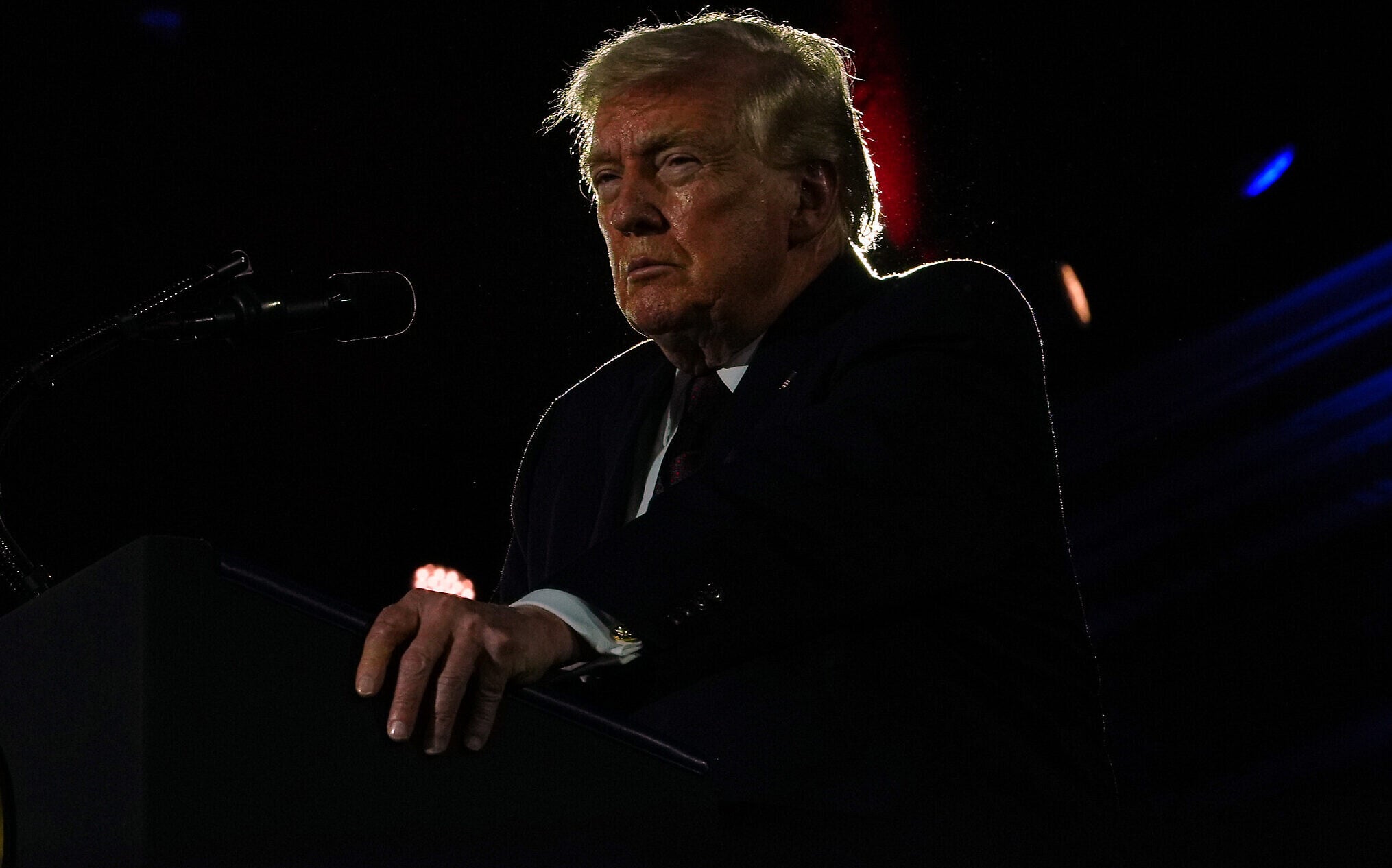
Trump's talks don't seem to be going anywhere, leaving the US and Israel readying to hammer Iran's energy sites, and take fateful decisions on Hormuz and the buried uranium stockpile
Original source:
Read at The Times Of IsraelHow We See It
New Republican Times Editorial Board
The coverage treats escalation as a kind of weather pattern, as if Washington and Jerusalem are merely reacting to forces beyond anyone’s control. That framing lets Tehran off the hook and turns American decision-making into a morality play about “restraint” rather than results.
What’s missing is the hard conservative concern: deterrence fails when deadlines drift and threats become theater. If Iran believes it can shelter buried uranium stockpiles while menacing shipping lanes, then talk without leverage is not diplomacy, it is delay.
Any action must be tied to national security, energy stability, and the rule of law in international waters, including Hormuz. It also has to respect public trust at home, with clear objectives and limits.
The principle at stake is simple: credible power prevents wider war; ambiguity invites it.
Commentary written with AI assistance by the New Republican Times Editorial Board.