

ASEAN should adhere to rule of law in face of 'unilateral actions,' Philippines' top diplomat says
This story raises questions about governance, accountability, and American values.
The coverage treats “rules-based order” as a self-executing cure, as if repeating the phrase can deter a coercive power. It also leaves “unilateral actions” conveniently vague, which lets diplomats sound principled without naming who is testing boundaries or how. Conservatives tend to be wary of law talk that floats above reality.
New Republican Times Editorial Board
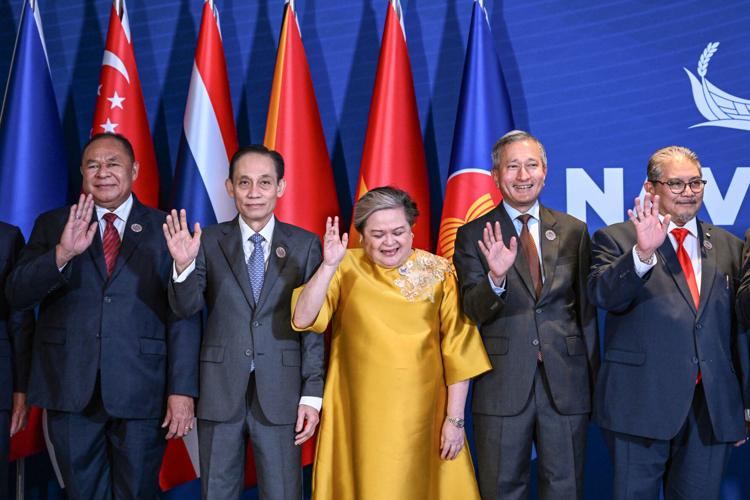
Philippine Foreign Secretary Theresa Lazaro says Southeast Asian countries should steadfastly maintain restraint and adhere to international law as acts of aggression across Asia and “unilateral actions” elsewhere in the world threaten the rules-based global order.
Lazaro did not provide
Original source:
Read at Killeen Daily HeraldHow We See It
New Republican Times Editorial Board
The coverage treats “rules-based order” as a self-executing cure, as if repeating the phrase can deter a coercive power. It also leaves “unilateral actions” conveniently vague, which lets diplomats sound principled without naming who is testing boundaries or how.
Conservatives tend to be wary of law talk that floats above reality. Rule of law matters, but only when it’s backed by credible deterrence and clear consequences. ASEAN restraint is fine until it becomes paralysis, and international forums are not substitutes for hard choices about basing access, defense coordination, and economic leverage.
A stable Indo-Pacific requires national sovereignty, freedom of navigation, and public trust that agreements mean something. The principle at stake is simple: law should restrain aggressors, not just reassure press conferences.
Commentary written with AI assistance by the New Republican Times Editorial Board.