

At China Summit, Trump Has CEOs, But Xi Has Leverage
Strategic competition with Beijing demands clarity on American commitments and economic leverage.
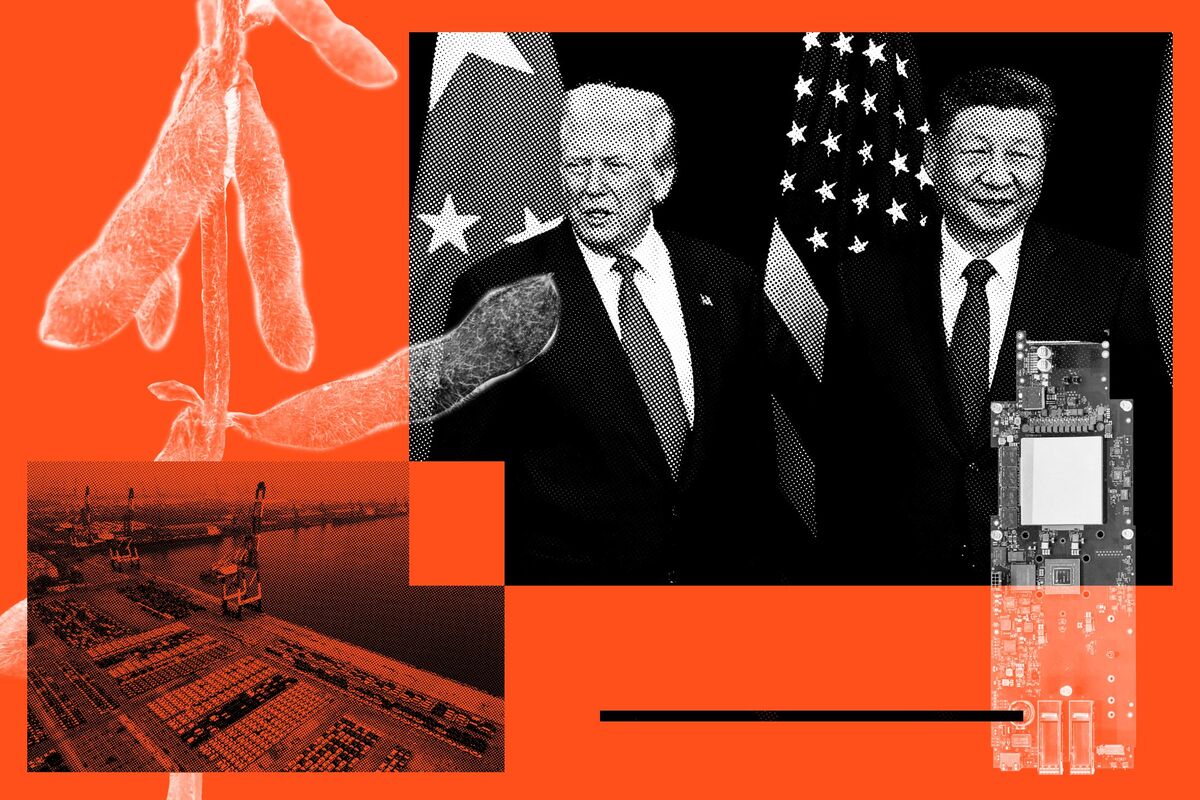
The coverage treats a room full of American CEOs as a kind of weakness, as if business presence means China automatically holds the cards. That framing misses the point: commerce is not capitulation, and leverage is not the same as legitimacy. Beijing’s real leverage comes from the West’s long habit of tolerating **one-sided trade** and strategic dependency.
New Republican Times Editorial Board
This article's full content is not available in our system.
Please click the button below to read the complete story at the original source.
Original source:
Read at BloombergHow We See It
New Republican Times Editorial Board
The coverage treats a room full of American CEOs as a kind of weakness, as if business presence means China automatically holds the cards. That framing misses the point: commerce is not capitulation, and leverage is not the same as legitimacy.
Beijing’s real leverage comes from the West’s long habit of tolerating one-sided trade and strategic dependency. CEOs can open channels, but they cannot substitute for national interest first policy. The question is not whether Xi can dangle market access. It’s whether the United States will keep letting critical supply chains and technology drift into a rival’s orbit.
A serious approach pairs engagement with economic security, rule of law, and enforceable reciprocity. The principle at stake is simple: trade can be a tool, but it should never become the chain.
Commentary written with AI assistance by the New Republican Times Editorial Board.