

Bill Targets China's Access to Advanced Chipmaking Tools
Strategic competition with Beijing demands clarity on American commitments and economic leverage.
The coverage treats this bill like a technocratic tune-up, as if export controls are just another line item in a trade spreadsheet. That framing skips the reality that advanced chipmaking tools are strategic assets, and Beijing has never hidden how it plans to use them. Blacklisting major Chinese chip firms is not “economic hostility.
New Republican Times Editorial Board
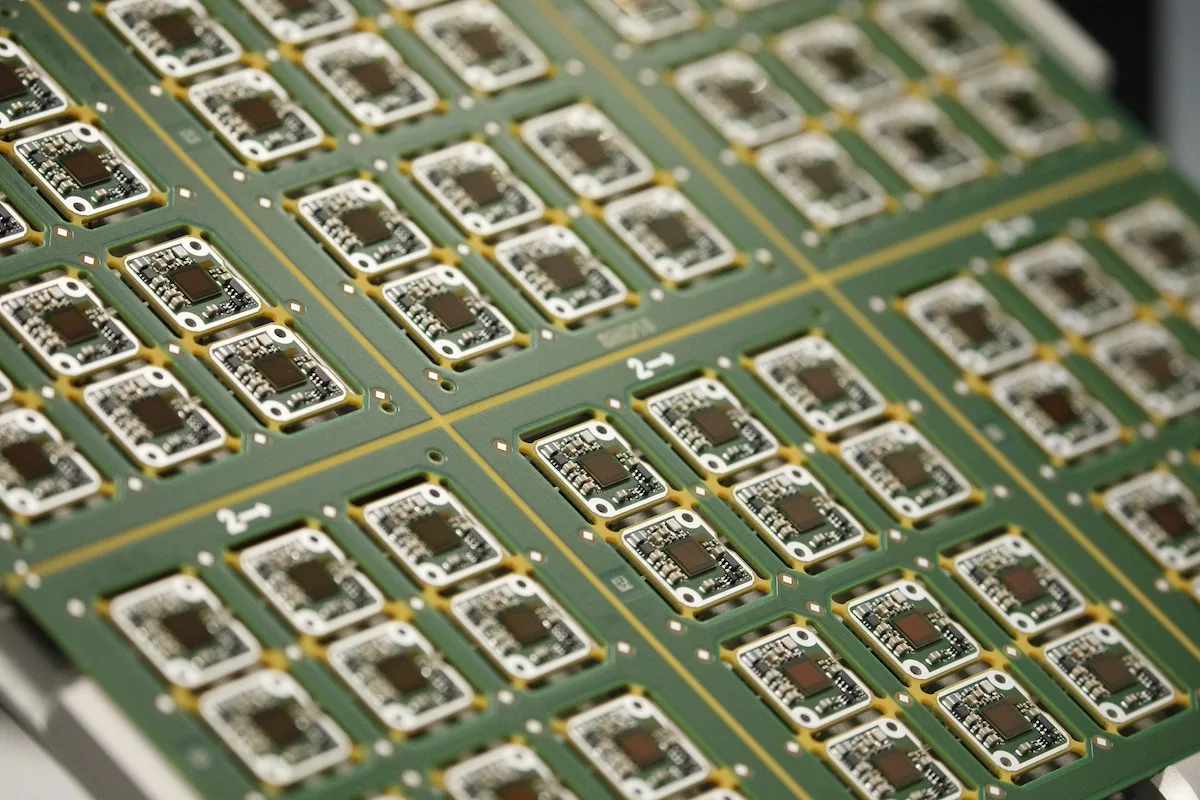
The proposed bill would blacklist some of China's biggest chip companies, and give U.S. allies 150 days to show progress with aligning on these controls.
Original source:
Read at Supply Chain BrainHow We See It
New Republican Times Editorial Board
The coverage treats this bill like a technocratic tune-up, as if export controls are just another line item in a trade spreadsheet. That framing skips the reality that advanced chipmaking tools are strategic assets, and Beijing has never hidden how it plans to use them.
Blacklisting major Chinese chip firms is not “economic hostility.” It is national security realism in a world where dual-use technology powers surveillance states and modern weapons alike. The real question is whether enforcement will be tight, or riddled with loopholes that reward clever workarounds and punish compliant American firms.
Giving allies 150 days sounds reasonable, but only if it produces aligned rules and real verification, not symbolic communiqués. Public trust depends on consistency: if the tools are too dangerous to sell tomorrow, they are too dangerous to sell through a middleman today.
Commentary written with AI assistance by the New Republican Times Editorial Board.