
California congressman’s tour makes stop at Ultium
Progressive policy ambitions meet practical realities as Americans weigh costs and consequences.
Ro Khanna’s Ultium photo-op leans on a familiar assumption: that Washington subsidies are the missing ingredient for “reviving” manufacturing. That framing flatters politicians, but it dodges the harder question of why American plants need permanent federal crutches to compete. Renewing EV tax credits may sell more cars, yet it also shifts costs to families who cannot afford them and to workers in industries that get no such help.
New Republican Times Editorial Board
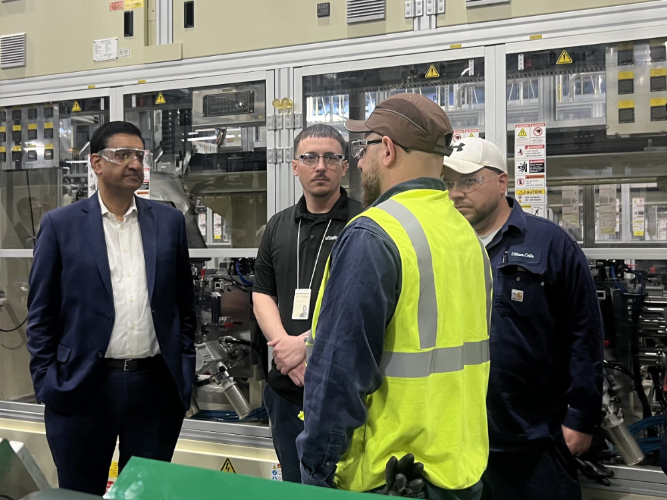
WARREN — U.S. Rep. Ro Khanna, during a visit to Ultium Cells on Friday morning, called for renewing electric vehicle tax credits and blocking Chinese battery companies from U.S. incentives as he stated federal support is “critical” to reviving manufacturing jobs locally.
The California Democrat visited the Ultium Cells facility for a tour as the [...]
Original source:
Read at Tribtoday.comHow We See It
New Republican Times Editorial Board
Ro Khanna’s Ultium photo-op leans on a familiar assumption: that Washington subsidies are the missing ingredient for “reviving” manufacturing. That framing flatters politicians, but it dodges the harder question of why American plants need permanent federal crutches to compete.
Renewing EV tax credits may sell more cars, yet it also shifts costs to families who cannot afford them and to workers in industries that get no such help. If the goal is jobs, we should demand fairness for taxpayers and an honest accounting of what these credits actually buy, beyond good headlines.
Khanna is right to worry about China, but “blocking incentives” is not a strategy. National security means reducing supply-chain dependence, enforcing trade rules, and ensuring rule of law in permitting and labor policy so firms can build here without endless political bargaining.
The principle at stake is public trust: government should set clear rules that favor American production, not pick corporate winners and call it industrial policy.
Commentary written with AI assistance by the New Republican Times Editorial Board.