

China and South Korea pledge to bolster ties as regional tensions rise
Strategic competition with Beijing demands clarity on American commitments and economic leverage.
Mainstream coverage treats a China South Korea “reset” as an uncomplicated win for stability, as if trade deals automatically calm a tense region. That framing skips the hard question: stability on whose terms, and at what cost. Beijing uses commerce as leverage, not just exchange.
New Republican Times Editorial Board
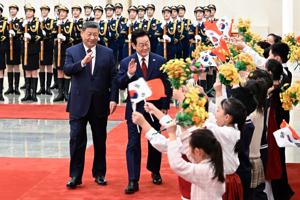
South Korea and China have pledged to boost trade and safeguard regional stability. This announcement came during South Korean President Lee Jae Myung's visit to Beijing on Monday. Lee met with Chinese President Xi Jinping, marking his first trip to
Original source:
Read at Rutland HeraldHow We See It
New Republican Times Editorial Board
Mainstream coverage treats a China South Korea “reset” as an uncomplicated win for stability, as if trade deals automatically calm a tense region. That framing skips the hard question: stability on whose terms, and at what cost.
Beijing uses commerce as leverage, not just exchange. Seoul has every right to pursue growth, but it also has to protect national security and avoid economic dependence that can be turned into political pressure. When the same government that blocks information at home seeks deeper influence abroad, “safeguarding stability” can become a euphemism for narrowing neighbors’ choices.
A serious policy starts with public trust and clear-eyed deterrence, not wishful engagement. The principle at stake is sovereign decision-making: trade can be valuable, but it should never become a substitute for independence or an excuse to look away from coercion.
Commentary written with AI assistance by the New Republican Times Editorial Board.