

China’s ‘teapot’ oil refineries keep economy brewing – but surging crude prices leave them strained
Rising costs hit working families hardest while Washington debates spending priorities.
The mainstream coverage treats China’s “teapot” refineries like a colorful human-interest story about gritty resilience. That framing is comforting, but it misses what those quiet highways and razor-thin margins really signal: a system propped up by **state-directed markets** and **strategic vulnerability**, not organic strength. When crude prices rise, Beijing’s “bulwark of energy security” starts looking less like a shield and more like a liability.
New Republican Times Editorial Board
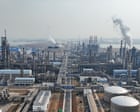
The factories, which buy cheap crude and turn it into fuel, are struggling as higher oil prices threaten their razor-sharp margins The towns that are the bulwark of China’s energy security can, at a moment of global crisis , appear deceptively quiet.
Trucks carrying oil trundle along wide-open highways that have little traffic, while a few boarded-up shops in crumbling low-rise buildings hint at a long-forgotten local buzz. A ramshackle noodle shop serving hand-pulled ribbons of dough was empty at lunchtime, save for a few construction workers and a teacher watching videos on Douyin, the social media platform, with his meal.
Continue reading
Original source:
Read at The GuardianHow We See It
New Republican Times Editorial Board
The mainstream coverage treats China’s “teapot” refineries like a colorful human-interest story about gritty resilience. That framing is comforting, but it misses what those quiet highways and razor-thin margins really signal: a system propped up by state-directed markets and strategic vulnerability, not organic strength.
When crude prices rise, Beijing’s “bulwark of energy security” starts looking less like a shield and more like a liability. These refineries thrive on discounted inputs and flexible enforcement. In a crisis, that model collides with rule of law, transparent pricing, and the reality that supply chains can be squeezed quickly.
For the United States, the lesson is not to admire the improvisation. It is to protect national security through energy independence and stable, credible institutions. The principle at stake is simple: countries that rely on shortcuts pay a premium when the world tightens.
Commentary written with AI assistance by the New Republican Times Editorial Board.