

Comey says he's innocent after new indictment on charges of threatening to kill president
This story raises questions about governance, accountability, and American values.
The coverage leans on a familiar assumption: that if James Comey says he’s innocent, the story is mainly about overheated politics. That framing skips the harder question. When a former FBI director posts something prosecutors read as a threat, it is not just “controversy.
New Republican Times Editorial Board
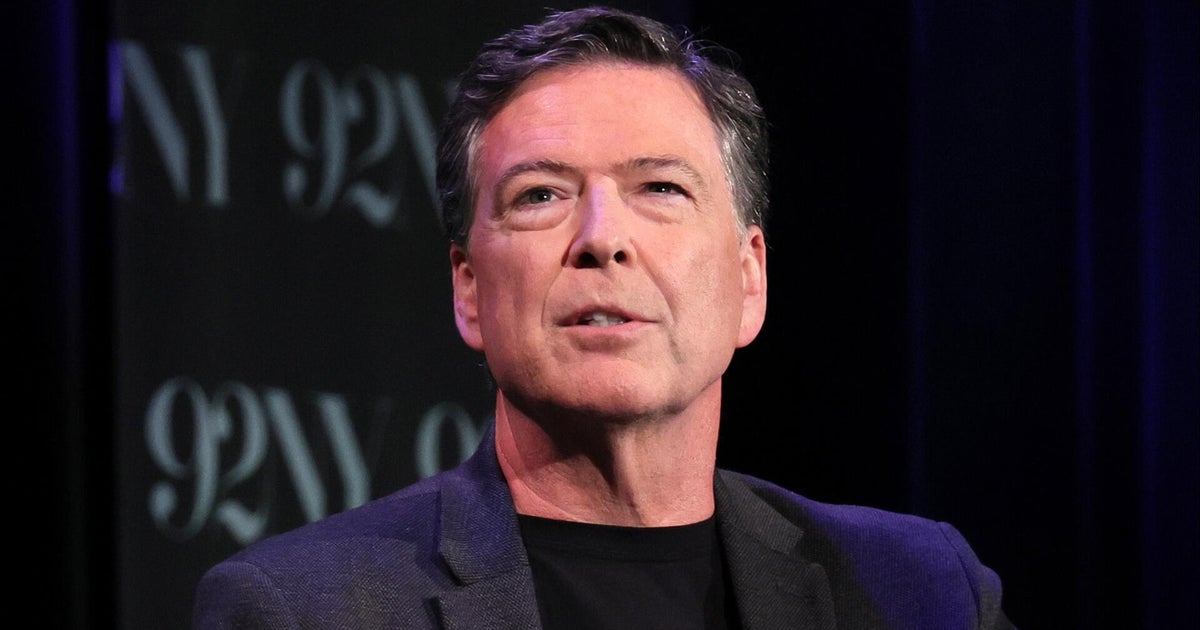
Former FBI Director James Comey was indicted for a second time Tuesday over an Instagram post that the government alleges was a threat against President Trump. Ed O'Keefe reports.
Original source:
Read at CBS NewsHow We See It
New Republican Times Editorial Board
The coverage leans on a familiar assumption: that if James Comey says he’s innocent, the story is mainly about overheated politics. That framing skips the harder question. When a former FBI director posts something prosecutors read as a threat, it is not just “controversy.” It tests the basic standards we expect from people who once enforced them.
Conservatives worry less about Comey’s fame than about equal treatment under the law. For years, institutions asked the public to accept aggressive interpretations of speech, intent, and “dangerous rhetoric,” usually aimed at ordinary citizens. The same rules should apply upward, not only downward.
This case is also about public trust in federal power. If the government moves quickly now, it should be able to explain the evidence plainly and follow due process without theatrics.
In the end, the stake is simple: one standard for threats, and a justice system that protects the presidency as an institution, whoever holds the office.
Commentary written with AI assistance by the New Republican Times Editorial Board.