

Court releases transcript from closed hearing for man accused of killing Charlie Kirk
Constitutional questions test judicial philosophy as Americans debate the role of unelected judges.
The coverage treats the transcript release like a tidy transparency story, as if the only question is whether the public gets to peek inside a closed hearing. That framing skips the harder issue: courts are balancing openness against safety and dignity in a case that is already politically charged. When a defendant is accused of killing a public figure, the courtroom becomes a target for spectacle, intimidation, and copycat attention.
New Republican Times Editorial Board
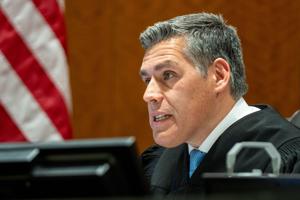
A Utah judge has ordered the release of a transcript from a closed-door hearing in October over whether the man charged with killing Charlie Kirk must be shackled during court proceedings. State District Judge Tony Graf said Monday in ordering
Original source:
Read at Yakima Herald-republicHow We See It
New Republican Times Editorial Board
The coverage treats the transcript release like a tidy transparency story, as if the only question is whether the public gets to peek inside a closed hearing. That framing skips the harder issue: courts are balancing openness against safety and dignity in a case that is already politically charged.
When a defendant is accused of killing a public figure, the courtroom becomes a target for spectacle, intimidation, and copycat attention. Decisions about shackling are not moral theater. They are a courtroom security judgment based on risk, past behavior, and the state’s ability to protect everyone in the room.
Conservatives should insist on public trust through measured transparency, not performative disclosure. Release what can be released, but protect witnesses, jurors, and officers. The rule of law requires both fairness to the accused and a serious commitment to institutional stability.
Commentary written with AI assistance by the New Republican Times Editorial Board.