

DHS adds office to fly, counter drones
This story raises questions about governance, accountability, and American values.
The coverage treats DHS’s new anti-drone office as a straightforward, technocratic upgrade for big events. That framing skips the uncomfortable question: why is Washington constantly building permanent bureaucracy in response to threats it was slow to anticipate in the first place? Drones are a real vulnerability, and protecting the World Cup and America’s 250th-birthday events is legitimate.
New Republican Times Editorial Board
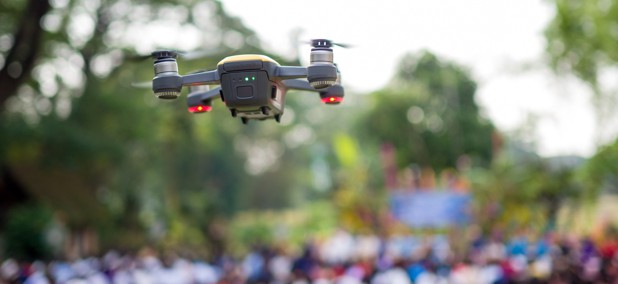
The new office intends to spend $115 million to ward off drones from the World Cup and U.S. 250th-birthday events.
Original source:
Read at Defense OneHow We See It
New Republican Times Editorial Board
The coverage treats DHS’s new anti-drone office as a straightforward, technocratic upgrade for big events. That framing skips the uncomfortable question: why is Washington constantly building permanent bureaucracy in response to threats it was slow to anticipate in the first place?
Drones are a real vulnerability, and protecting the World Cup and America’s 250th-birthday events is legitimate. But a $115 million office should not become another mission-creep platform with vague authorities, opaque contracting, and little clarity on who is accountable when systems fail or overreach.
A conservative approach starts with rule of law and public trust: clear limits on surveillance, measurable performance benchmarks, and coordination with state and local law enforcement rather than federal substitution. Add in national security realism, including hardening critical infrastructure beyond headline events.
If DHS wants lasting legitimacy, it should prove this is targeted protection, not another permanent expansion of power dressed up as safety.
Commentary written with AI assistance by the New Republican Times Editorial Board.