

Dozens of nations are searching for a diplomatic solution to the Hormuz blockade
This story raises questions about governance, accountability, and American values.
The mainstream coverage treats the Hormuz blockade like a misunderstanding that can be smoothed over with enough conferences and communiqués. Forty foreign ministers meeting makes for reassuring optics, but it can also become a substitute for leverage, and Iran knows the difference. What’s missing is the hard question: what consequence follows if Tehran keeps choking a vital trade artery?
New Republican Times Editorial Board
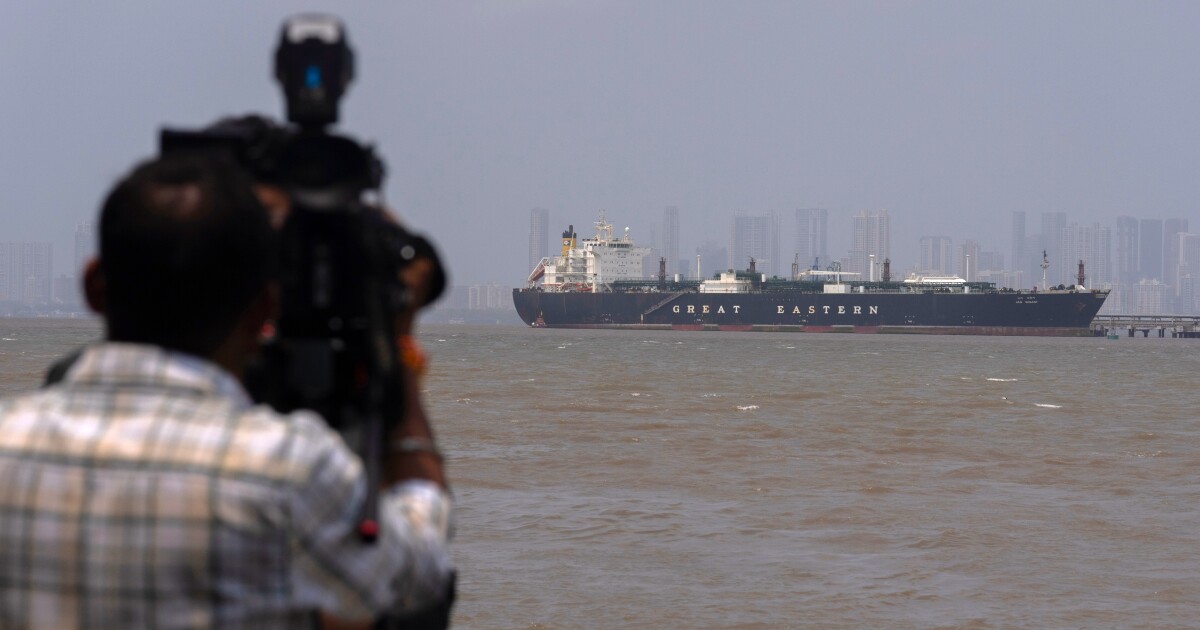
Foreign ministers and officials from over 40 countries met Thursday as they search for a peaceful resolution to Iran's ongoing blockade of the Strait of Hormuz.
Original source:
Read at Wmar 2 News BaltimoreHow We See It
New Republican Times Editorial Board
The mainstream coverage treats the Hormuz blockade like a misunderstanding that can be smoothed over with enough conferences and communiqués. Forty foreign ministers meeting makes for reassuring optics, but it can also become a substitute for leverage, and Iran knows the difference.
What’s missing is the hard question: what consequence follows if Tehran keeps choking a vital trade artery? Diplomacy is not a virtue when it becomes an excuse for delay. A blockade is coercion, and pretending it is merely a “dispute” invites more of it.
The conservative view starts with freedom of navigation and national security, not international pageantry. The Strait is a test of credible deterrence and energy stability, and America’s role is to protect strategic interests without outsourcing them to the loudest room.
The principle at stake is simple: the rule of law at sea has to be enforced, or it stops being law.
Commentary written with AI assistance by the New Republican Times Editorial Board.