

Duke Law's alleged race-based admissions accused of defying Supreme Court ruling: DOJ
Constitutional questions test judicial philosophy as Americans debate the role of unelected judges.
3. 5 times. That's the number sitting in the middle of this DOJ complaint, and it's the kind of number that doesn't need much dressing up.
New Republican Times Editorial Board
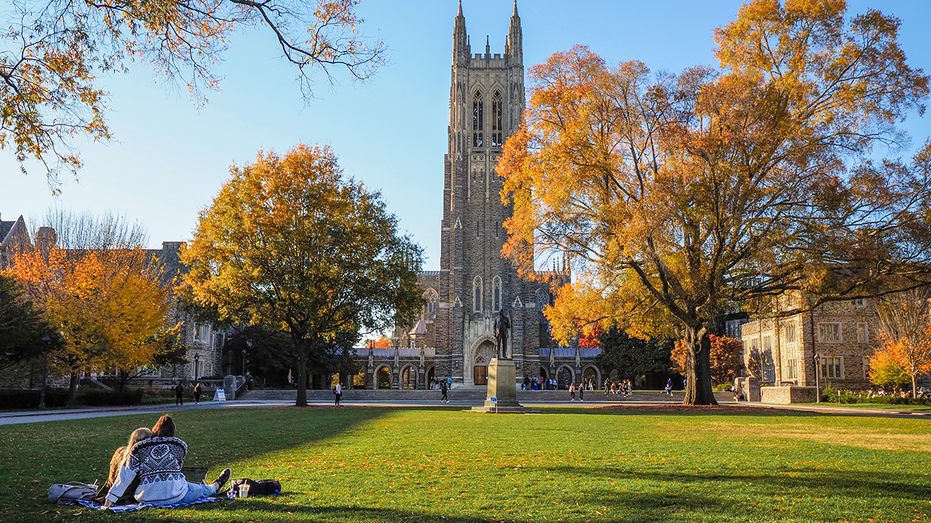
Duke Law School allegedly gave Black applicants 3.5 times higher admission chances than Asian applicants with the same credentials, the DOJ says.
Original source:
Read at Fox NewsHow We See It
New Republican Times Editorial Board
3.5 times. That's the number sitting in the middle of this DOJ complaint, and it's the kind of number that doesn't need much dressing up. Two applicants, same LSAT, same GPA, same resume, and one of them gets in three and a half times more often than the other because of what box they checked. If that's accurate, it's not a close call about "holistic review" or "context." It's the thing the Supreme Court told every law school in the country to stop doing back in 2023.
What's striking is how familiar this pattern feels. Harvard got caught with something similar in the affirmative action case, quietly ranking Asian applicants lower on vague "personal" scores that nobody could ever quite explain. Now it's Duke, allegedly running the numbers a different way but landing in the same place. Schools said they'd comply. Some of them apparently just found a way to keep doing the math they liked, betting nobody would go back and check the admissions data closely enough to notice.
We'd want to see Duke's actual response before treating this as settled fact, and to be fair, disparate outcomes alone aren't automatically proof of an illegal thumb on the scale. But the specificity here, a 3.5x gap between similarly credentialed applicants, is not the kind of thing that shows up by accident. That's a pattern that gets built, whether through admissions rubrics, target numbers, or informal understandings among the people reading files.
If it holds up, this isn't really about Duke. It's about whether a Supreme Court ruling means anything if elite institutions can just rename the same practice and wait out the news cycle. A ruling that can be quietly ignored isn't much of a ruling at all..
Commentary written with AI assistance by the New Republican Times Editorial Board.