

Experts describe capabilities of new U.S. forces in Mideast
This story raises questions about governance, accountability, and American values.
Mainstream coverage of new U. S. deployments to the Middle East often treats military capability as the whole story, as if the mere presence of advanced forces answers the question of why we are there.
New Republican Times Editorial Board
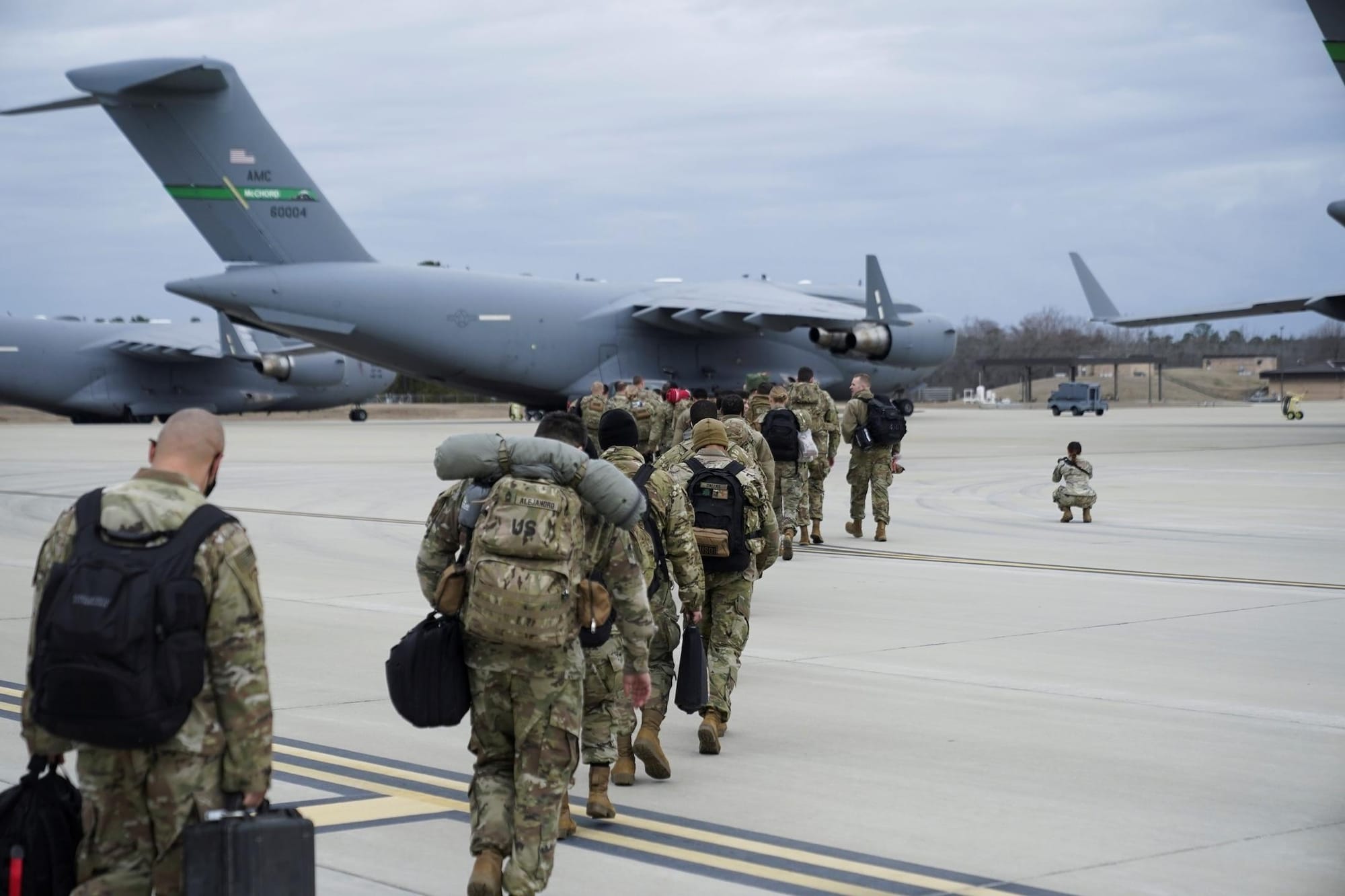
As more U.S. forces head to Mideast, military experts break down capabilities
Original source:
Read at Cascade PBSHow We See It
New Republican Times Editorial Board
Mainstream coverage of new U.S. deployments to the Middle East often treats military capability as the whole story, as if the mere presence of advanced forces answers the question of why we are there. “Experts describe capabilities” is fine, but it dodges the harder issue: what mission justifies the risk.
Conservatives are not allergic to strength. We are skeptical of drift. A larger footprint can become an open-ended commitment, especially when goals are vague and timelines evaporate. That is how public trust erodes and deterrence turns into dependency.
If forces are moving, the administration owes clarity on rules of engagement, national security objectives, and the limits of U.S. responsibility for regional quarrels. Capability matters, but so does strategic discipline.
The principle at stake is simple: American power should be used decisively for defined interests, not as a substitute for strategy.
Commentary written with AI assistance by the New Republican Times Editorial Board.