

Federal judge acknowledges Supreme Court ruling clearing path for Trump to end Haiti TPS
Constitutional questions test judicial philosophy as Americans debate the role of unelected judges.
A federal judge just did something that shouldn't be newsworthy but is: she followed the Supreme Court's ruling instead of her own preferences. The order blocking Trump from ending Haiti TPS is dead because the justices said it should be. That's the whole story, and it's honestly a little refreshing to see acknowledged so plainly in an opinion.
New Republican Times Editorial Board
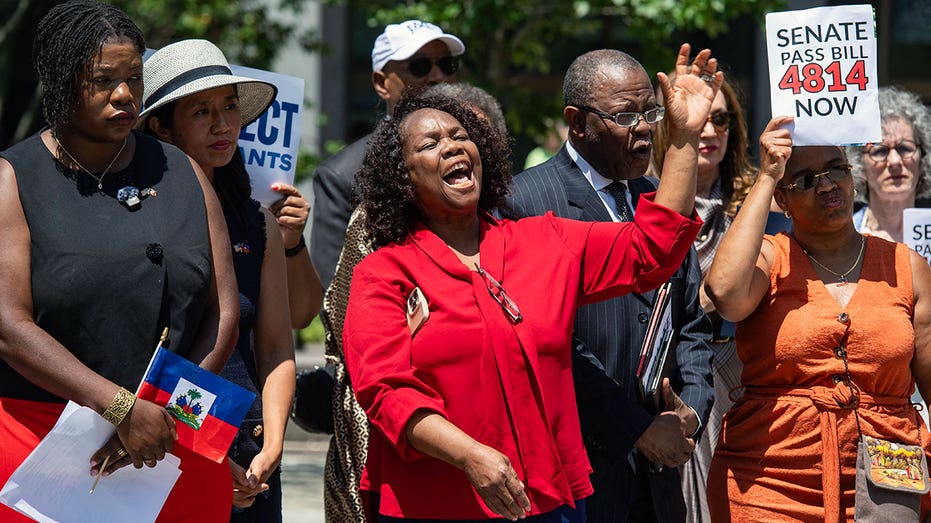
A federal judge has ruled that the court order blocking Trump's termination of Haiti TPS is no longer in effect after the Supreme Court's ruling.
Original source:
Read at Fox NewsHow We See It
New Republican Times Editorial Board
A federal judge just did something that shouldn't be newsworthy but is: she followed the Supreme Court's ruling instead of her own preferences. The order blocking Trump from ending Haiti TPS is dead because the justices said it should be. That's the whole story, and it's honestly a little refreshing to see acknowledged so plainly in an opinion.
For months lower courts have been treating nationwide injunctions like personal vetoes over immigration policy, daring the administration to appeal and hoping the clock runs out first. This time the Supreme Court didn't let that game play out. It cleared the path, and rather than inventing some new procedural workaround, the judge in this case just said so. That's how it's supposed to work. You can disagree with ending TPS for Haiti on the merits, plenty of people will, but the process matters separately from the outcome.
Temporary Protected Status was never supposed to be permanent, whatever the name implies after it's been renewed for over a decade. Presidents are given the authority to end it because conditions change and because immigration policy is supposed to answer to elected officials, not to whichever district gets the case first. When a judge admits the higher court's word settles the matter, that's not a defeat for anybody except the idea that litigation shopping should be a permanent feature of policymaking.
None of this resolves the harder argument about what happens to the people who've built lives here under TPS. That's a real debate worth having in Congress, where it belongs. But the legal question in this ruling was narrow, and the judge answered it honestly instead of finding a clever reason to keep blocking a policy she may not have liked. That's a small thing, and it's also not small at all..
Commentary written with AI assistance by the New Republican Times Editorial Board.