

Federal judge muzzles mafia-era law restricting suppressors and some firearms
This story raises questions about governance, accountability, and American values.
the National Firearms Act was never really about safety, it was about taxation. Congress in 1934 didn't have the votes or the constitutional nerve to ban machine guns and suppressors outright, so they slapped a $200 tax stamp on them instead and called it regulation. Strip out the tax, as Congress itself did decades later for some of these items, and you strip out the only legal leg the law was standing on.
New Republican Times Editorial Board
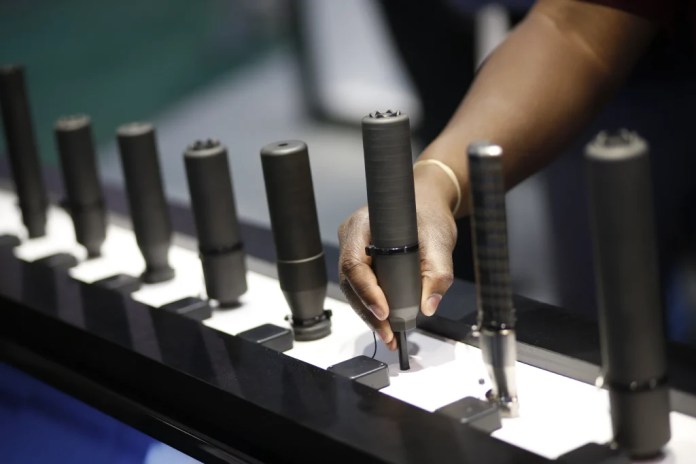
A federal judge in Texas on Wednesday ruled that key provisions of a nearly century-old federal firearms law can no longer be enforced, finding that Congress lost the constitutional basis for regulating suppressors and certain short-barreled firearms after eliminating the tax that originally justified the restrictions.
U.S. District Judge James Hendrix, a President Donald Trump […]
Original source:
Read at Washington ExaminerHow We See It
New Republican Times Editorial Board
the National Firearms Act was never really about safety, it was about taxation. Congress in 1934 didn't have the votes or the constitutional nerve to ban machine guns and suppressors outright, so they slapped a $200 tax stamp on them instead and called it regulation. Strip out the tax, as Congress itself did decades later for some of these items, and you strip out the only legal leg the law was standing on. Judge Hendrix just noticed that nobody bothered to update the rest of the statute to match.
This isn't some fringe legal theory. It's basic constitutional housekeeping that Washington never got around to doing. Suppressors aren't the Hollywood assassination tools people think they are, they're hearing protection, and short-barreled rifles are standard issue for plenty of law enforcement. The idea that owning either makes you a bootlegger-era gangster is a relic nobody seriously defends anymore, they just like having the paperwork requirement and the federal registry that comes with it.
What's satisfying here is watching a law justified by one power (taxation) get unwound because that power quietly vanished while the restriction stayed bolted on. That's not judicial activism, that's reading the statute Congress actually wrote instead of the one bureaucrats wish they'd written. If lawmakers want to regulate suppressors under some other constitutional authority, they're welcome to go pass that law in the open, with votes and debate, instead of leaning on a tax code loophole from the Roosevelt administration.
Expect an appeal, expect DOJ to fight this hard, and expect this to end up much higher than a Texas courtroom. But for once a federal judge looked at a law's actual mechanics instead of its vibes, and gun owners who've been paying $200 and waiting a year for government paperwork on a $50 part have every right to feel vindicated.
Commentary written with AI assistance by the New Republican Times Editorial Board.