

Feds in Minneapolis can't detain or tear gas peaceful protesters, judge rules
This story raises questions about governance, accountability, and American values.
The coverage treats the judge’s order as a clean victory for “peaceful protesters,” as if the only risk here is federal overreach. But the public has also watched vehicles swarmed, officers attacked, and enforcement operations turned into moving street confrontations. That context matters because it shapes whether the courts are protecting rights or inviting chaos.
New Republican Times Editorial Board
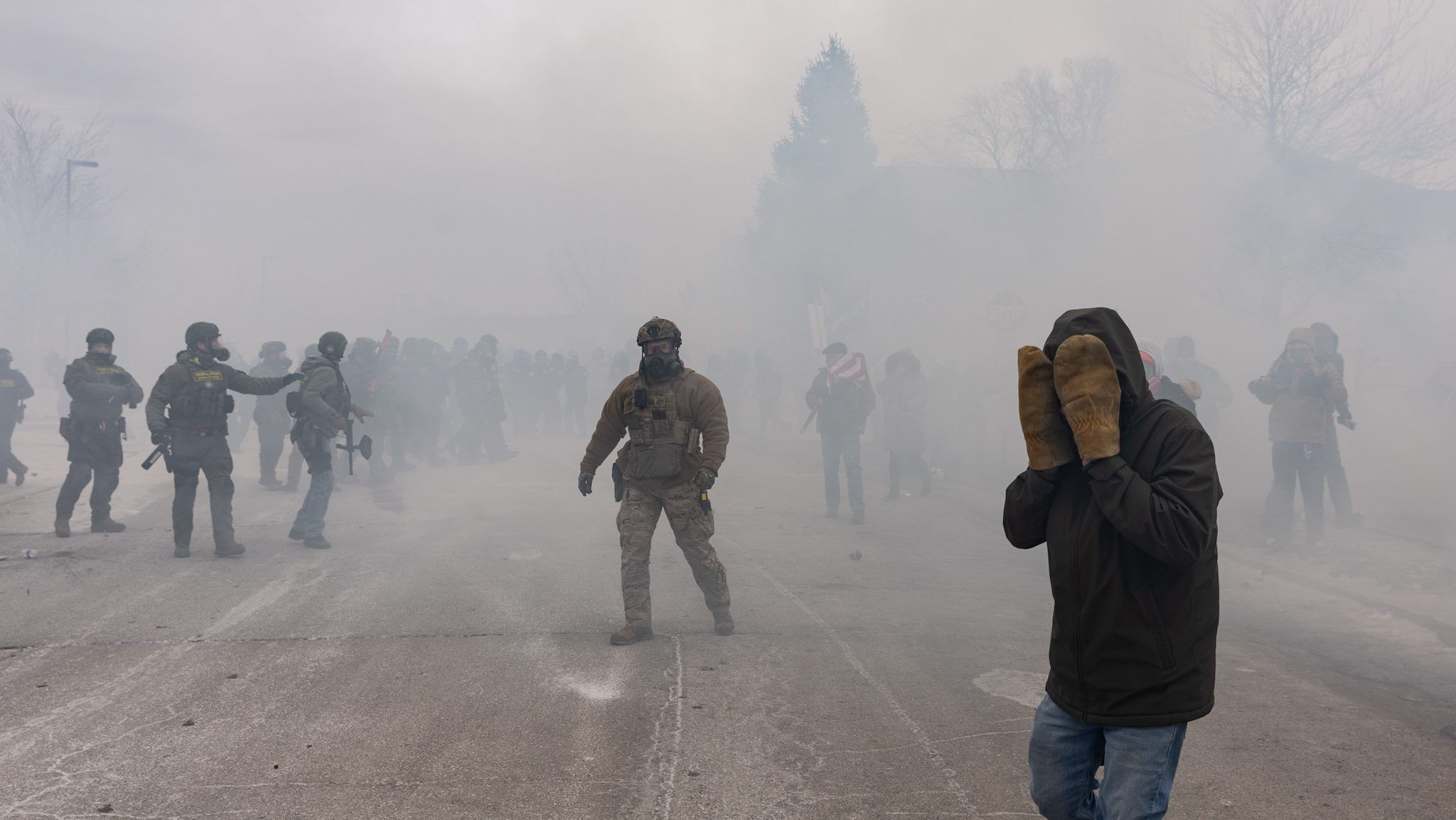
Federal officers in the Minneapolis-area participating in its largest recent U.S. immigration enforcement operation can’t detain or tear gas peaceful protesters who aren’t obstructing authorities, including when these people are observing the agents, a judge in Minnesota ruled Friday.U.S.
District Judge Kate Menendez’s ruling addresses a case filed in December on behalf of six Minnesota activists. The six are among the thousands who have been observing the activities of Immigration and Customs Enforcement and Border Patrol officers enforcing the Trump administration’s immigration crackdown in the Minneapolis-St.
Paul area since last month.Federal agents and demonstrators have repeatedly clashed since the crackdown began. The confrontations escalated after an immigration agent fatally shot ...
Original source:
Read at NBC 5 DallasHow We See It
New Republican Times Editorial Board
The coverage treats the judge’s order as a clean victory for “peaceful protesters,” as if the only risk here is federal overreach. But the public has also watched vehicles swarmed, officers attacked, and enforcement operations turned into moving street confrontations. That context matters because it shapes whether the courts are protecting rights or inviting chaos.
No one should be stopped or gassed without reasonable suspicion or probable cause. Conservatives have long argued that power needs limits, especially when tempers flare. Still, “observing” can slide into coordinated interference, and judges should be careful not to create a loophole where obstruction is rebranded as monitoring.
The larger point is public trust. Immigration enforcement requires rule of law and basic officer safety, or it collapses into spectacle. Courts can safeguard liberties without handcuffing legitimate federal authority to enforce the law.
Commentary written with AI assistance by the New Republican Times Editorial Board.