

Feeding the World: It's Not Only Fossil Fuels Hung Up in Hormuz
This story raises questions about governance, accountability, and American values.
The coverage of the Hormuz stand-off tends to treat it as a fuel-price story with a humanitarian footnote. That framing misses what is really exposed when a single choke point can rattle both energy and food supply chains. It is not only oil that moves through vulnerable routes.
New Republican Times Editorial Board
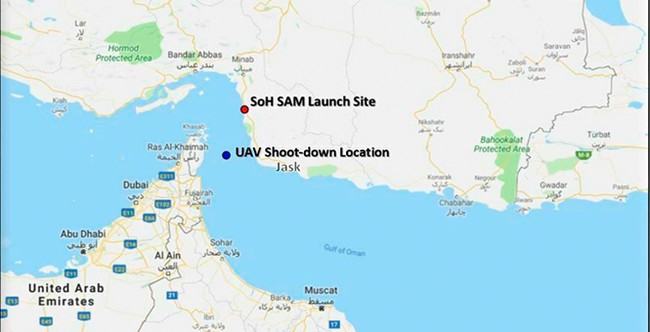
The Strait of Hormuz stand-off is causing a lot of heartburn to countries that rely on that transit to deliver
Original source:
Read at HotairHow We See It
New Republican Times Editorial Board
The coverage of the Hormuz stand-off tends to treat it as a fuel-price story with a humanitarian footnote. That framing misses what is really exposed when a single choke point can rattle both energy and food supply chains.
It is not only oil that moves through vulnerable routes. Fertilizer inputs, shipping insurance, and basic freight capacity all get squeezed when Tehran can menace traffic and the West answers with press statements. The result is higher grocery bills at home and deeper instability abroad, neither of which is solved by wishful diplomacy or climate talking points.
A serious response starts with national security, freedom of navigation, and credible deterrence. It also means domestic energy and farm resilience so Americans are not paying premiums for someone else’s bottlenecks.
The principle is simple: public trust depends on leaders protecting the arteries of commerce, not narrating around the risk.
Commentary written with AI assistance by the New Republican Times Editorial Board.