

Florida woman accused of faking cancer to scam hundreds out of $40K, police say
Public safety requires backing law enforcement while progressive policies face results-based scrutiny.
Two hundred people opened their wallets for a stranger's worst day, and it turns out the worst day never happened. That's the part worth sitting with. Not the arrest, not the mugshot, but the fact that basic human decency got weaponized against the very people practicing it.
New Republican Times Editorial Board
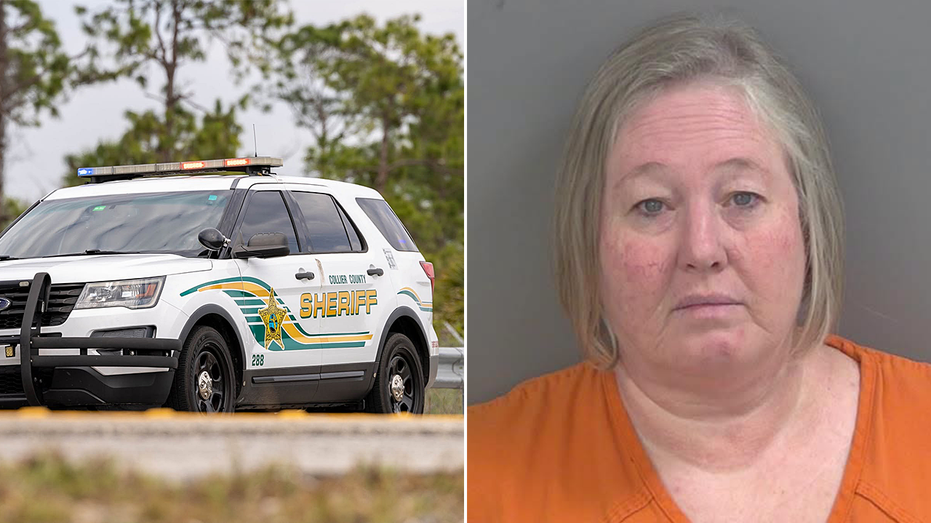
A Florida woman was arrested after she allegedly scammed more than 200 people out of $40,000 with a fake cancer diagnosis. GoFundMe says it refunded the money.
Original source:
Read at Fox NewsHow We See It
New Republican Times Editorial Board
Two hundred people opened their wallets for a stranger's worst day, and it turns out the worst day never happened. That's the part worth sitting with. Not the arrest, not the mugshot, but the fact that basic human decency got weaponized against the very people practicing it. Whoever this woman is, she didn't just take money. She took the instinct that makes strangers help strangers and turned it into a con.
GoFundMe refunding the donors is the right move, and credit where it's due, but let's not pretend that fixes the actual damage. The money was never really the point for most of these people. It was the gesture, the belief that they'd done something decent with twenty or fifty bucks they didn't have to spare. Finding out it funded nothing but a lie doesn't just sting, it makes the next person hesitate before helping the next real cancer patient who actually needs it. That hesitation is the real cost, and it doesn't get refunded.
We keep building platforms that make it frictionless to give and just as frictionless to fake a tragedy for profit. Nobody vetted this. Nobody had to. A sympathetic story and a payment link were enough to move two hundred people to act, and that's not a knock on them, it's a warning about how thin the safeguards are. The system ran exactly as designed, and that's the problem.
This isn't really a story about one woman in Florida. It's a preview of what happens when generosity outpaces verification on a mass scale, and the people who pay for it are always the ones who meant well.
Commentary written with AI assistance by the New Republican Times Editorial Board.