

For a group of Vietnam vets, opposing Trump's arch is about being "loyal to the country"
This story raises questions about governance, accountability, and American values.
CBS frames these Vietnam veterans as guardians of “loyalty to the country,” as if the dispute is mainly about whether Donald Trump shows proper reverence. That’s a convenient storyline, but it skips the harder question: who gets to decide what public honor looks like, and by what authority. Conservatives don’t dismiss the pain behind “disrespectful.
New Republican Times Editorial Board
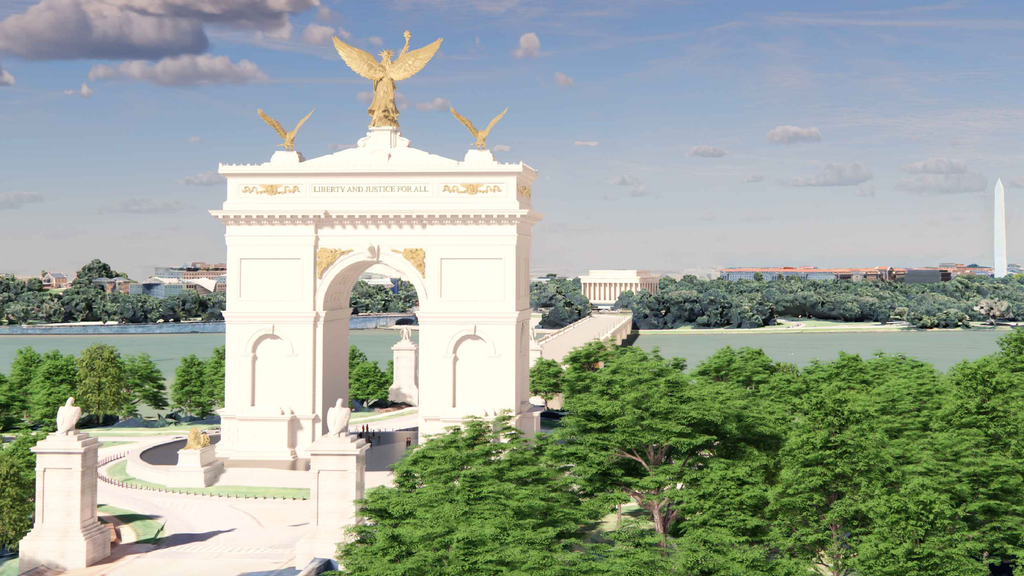
"I think it's just disrespectful to those that I served with who didn't come back," a veteran suing to stop construction of the arch told CBS News.
Original source:
Read at Sanfrancisco CBS LocalHow We See It
New Republican Times Editorial Board
CBS frames these Vietnam veterans as guardians of “loyalty to the country,” as if the dispute is mainly about whether Donald Trump shows proper reverence. That’s a convenient storyline, but it skips the harder question: who gets to decide what public honor looks like, and by what authority.
Conservatives don’t dismiss the pain behind “disrespectful.” We do question turning that pain into a lawsuit to block a project before the public can weigh it in. Public trust is not built by letting courts referee every cultural fight. It’s built through transparent processes and accountable officials.
If there are permits, contracts, and memorial standards, follow them. If not, fix them. Rule of law, fairness to taxpayers, and institutional stability matter more than media-approved symbolism.
In the end, the principle isn’t loyalty to a personality. It’s civic stewardship: honoring service without handing veto power to whichever side shouts “patriotism” louder.
Commentary written with AI assistance by the New Republican Times Editorial Board.