

For Democrats, the Inevitable Kamala Comeback Could Prove Prelude to DSA Takeover
This story raises questions about governance, accountability, and American values.
Kamala Harris losing an election that should have been unlosable for an incumbent party facing an unpopular president, and then quietly positioning herself for another run, tells you almost everything you need to know about where Democratic instincts still sit. She did not lose because voters found her too moderate. She lost because most Americans watched her flip on fracking, border enforcement, and criminal justice depending on the room she was in, and concluded there was no fixed person underneath the talking points.
New Republican Times Editorial Board
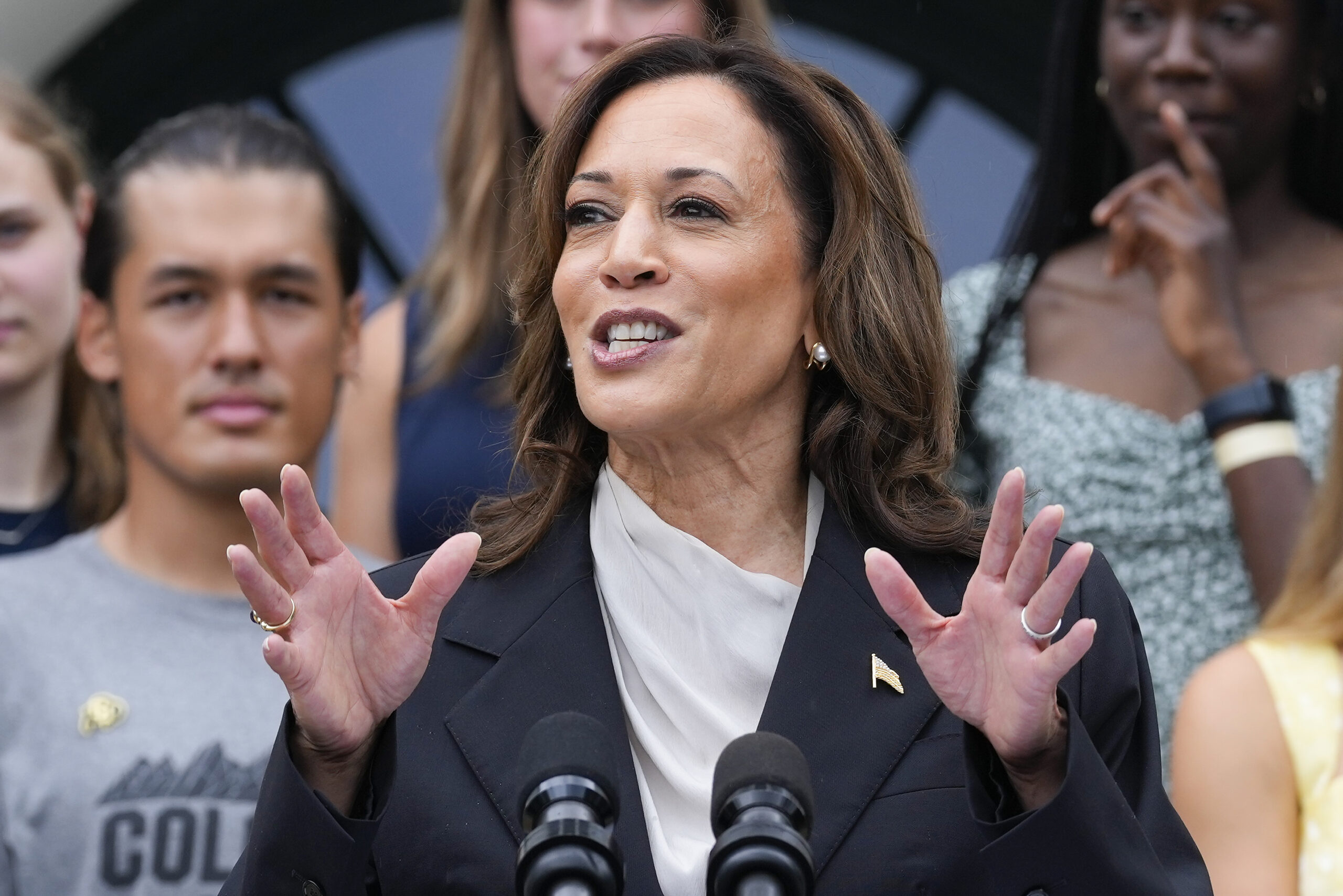
The former vice president is eyeing another White House run, and she checks all the party’s identity-politics boxes.
Original source:
Read at The New York SunHow We See It
New Republican Times Editorial Board
Kamala Harris losing an election that should have been unlosable for an incumbent party facing an unpopular president, and then quietly positioning herself for another run, tells you almost everything you need to know about where Democratic instincts still sit. She did not lose because voters found her too moderate. She lost because most Americans watched her flip on fracking, border enforcement, and criminal justice depending on the room she was in, and concluded there was no fixed person underneath the talking points. That the party's answer to that verdict might be "run her again" is its own kind of confession.
But the more interesting story here is what happens around her, not to her. A Harris comeback attempt, win or lose the primary, is likely to function as a permission structure for the DSA wing rather than a check on it. She checks every box the identity-politics apparatus rewards, and that apparatus has only gotten louder and more organized since 2024. Mamdani's rise in New York wasn't a fluke; it was a preview of where the energy in this party actually lives now, among younger organizers who think Harris-style caution cost them and want something more openly socialist instead.
Republicans shouldn't get smug about this. A Democratic Party pulled toward its DSA flank is a gift electorally, but it's also a real shift in one of the two parties that governs this country, and that has consequences beyond the next ballot. Still, if the choice on offer is a recycled candidate who couldn't hold a coherent position for six months, or a farther-left generation waiting impatiently behind her, that's not a comeback story. That's a party arguing with itself about which kind of losing to try next.
Commentary written with AI assistance by the New Republican Times Editorial Board.