

Gavin Newsom Signs the 'Stop Nick Shirley Act' Into Law
Progressive policy ambitions meet practical realities as Americans weigh costs and consequences.
it exists because one guy with a camera made somebody look bad enough, often enough, that Sacramento decided the fix was a new statute. Nick Shirley built an audience doing exactly what local news used to do before it got timid, walking up to people and asking blunt questions on camera, often catching officials, agencies, or ordinary Californians saying things they'd rather not have said on the record. When a state legislature responds to that with a law that people are openly calling the "Stop Nick Shirley Act," they're not being subtle.
New Republican Times Editorial Board
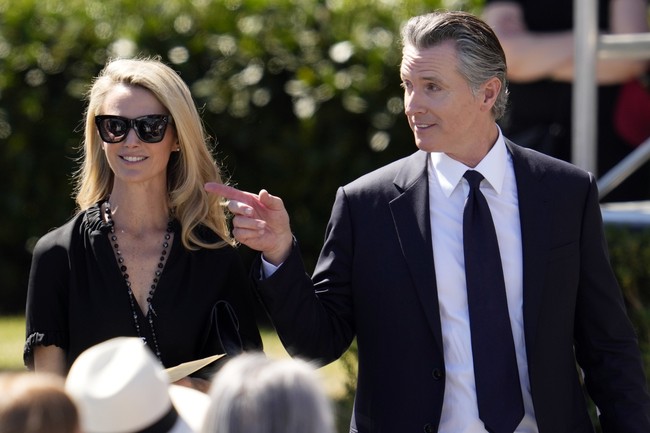
Democrat Gov. Gavin Newsom has signed into law what has colloquially been known as the “Stop Nick Shirley Act.”
Original source:
Read at TownhallHow We See It
New Republican Times Editorial Board
it exists because one guy with a camera made somebody look bad enough, often enough, that Sacramento decided the fix was a new statute. Nick Shirley built an audience doing exactly what local news used to do before it got timid, walking up to people and asking blunt questions on camera, often catching officials, agencies, or ordinary Californians saying things they'd rather not have said on the record. When a state legislature responds to that with a law that people are openly calling the "Stop Nick Shirley Act," they're not being subtle. Newsom signed it anyway.
That's the part worth sitting with. This isn't a bill about privacy in the abstract or consent in some neutral, evenly applied sense. It has a name attached to it in the public imagination because everyone involved knows exactly whose videos prompted it. You don't get a colloquial name like that from a law written to solve a general problem. You get it from a law written to solve a specific person.
California likes to present itself as the state most allergic to censorship, the one lecturing everyone else about free expression and a free press. Fine, then explain why the response to an independent creator asking people questions in public was legislation rather than a lawsuit, a rebuttal, or just ignoring him. If his reporting was inaccurate or unfair, the answer is more speech, not a statute engineered around his name.
What this really signals is that being effective enough at exposing something inconvenient is now, in California, a problem the state will legislate against rather than answer. That should bother people regardless of what they think of Shirley's style or his politics. The message to every citizen with a phone and a following is simple: get good enough at this and they'll write a law about you. That's not a healthy instinct for any government to indulge, and it's a strange one for a state that insists it's on the side of the little guy with a microphone.
Commentary written with AI assistance by the New Republican Times Editorial Board.