
Rand Paul votes against GOP AI ‘kill switch’ bill
This story raises questions about governance, accountability, and American values.
Sen. John Kennedy wanted a simple-sounding thing: make AI companies build a “kill switch,” a hard stop in case an advanced model goes sideways. Sen.
New Republican Times Editorial Board
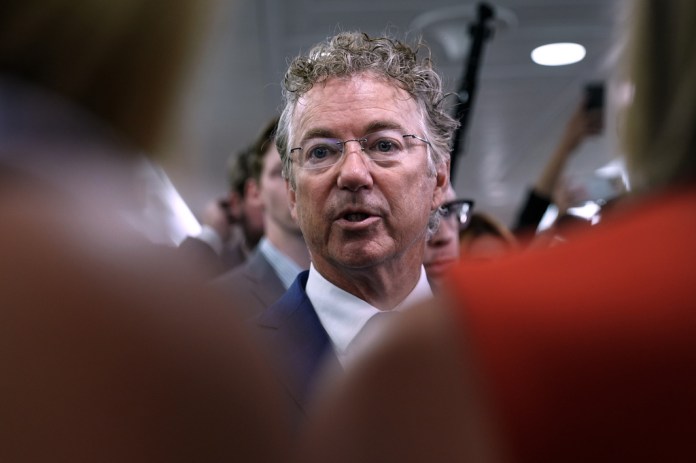
A narrow measure offered by Sen. John Kennedy (R-LA) Wednesday that would’ve forced artificial intelligence companies to build a “kill switch” to prevent their advanced models from going rogue was shot down by Sen.
Rand Paul (R-KY). The episode marked the latest instance of Congress trying and failing to advance AI legislation amid a growing […]
Original source:
Read at Washington ExaminerHow We See It
New Republican Times Editorial Board
Sen. John Kennedy wanted a simple-sounding thing: make AI companies build a “kill switch,” a hard stop in case an advanced model goes sideways. Sen. Rand Paul said no, and the measure died on the spot. It’s easy to roll your eyes at the sci-fi framing, but it’s also easy to see why voters like the idea. Nobody trusts Big Tech to hit the brakes on its own.
Still, a “kill switch” is not a plan, it’s a slogan with wiring. Who decides what “rogue” means, and on what evidence? The same federal bureaucracy that couldn’t define “misinformation” without turning it into a political weapon? The danger isn’t just that the switch exists. It’s that the switch becomes a lever, pulled quietly when the model says something Washington doesn’t like, or when a regulator wants to kneecap a competitor and bless a favorite.
Paul’s objection fits a pattern we’ve seen too many times: Congress lunges at a scary headline and tries to legislate a vibe. Bad AI rules won’t tame AI, they’ll lock in the biggest players who can afford compliance departments and lawyers, while smaller outfits get buried. If we’re going to regulate, start with the boring stuff that actually bites: liability when AI causes real harm, transparency for government use, and firm bans on federal agencies using AI to surveil Americans.
And yes, the industry should be pressed to build safety controls. But do it in a way that doesn’t hand Washington a remote control for speech and competition. If the government gets a kill switch, it won’t stay “emergency only” for long. The next serious AI debate should begin with that fact, not with a button that sounds comforting in a press release.
Commentary written with AI assistance by the New Republican Times Editorial Board.