

‘Guano is far more than just droppings’: scientists uncover the secrets of bat poo in Gorongosa park
This story raises questions about governance, accountability, and American values.
The coverage treats Gorongosa’s bat guano like a charming parable about interconnected nature, as if the only lesson is “protect everything and trust the experts. ” That framing is attractive, but it skips the hard questions that actually decide whether conservation holds. A fragile ecosystem is not maintained by wonder alone.
New Republican Times Editorial Board
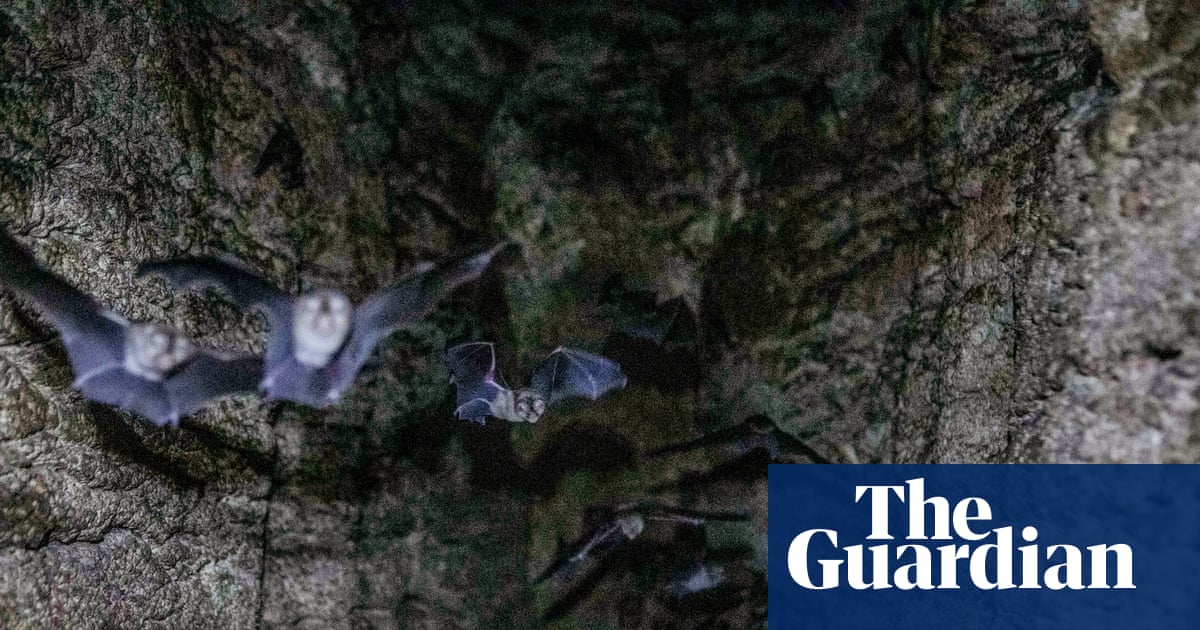
The more than 100 bat species living in the Mozambican reserve’s labyrinth of caves play a key role in maintaining a fragile ecosysytem that benefits wildlife and people• Words and photographs by Kang-Chun Cheng
Original source:
Read at Guardian Staff ReporterHow We See It
New Republican Times Editorial Board
The coverage treats Gorongosa’s bat guano like a charming parable about interconnected nature, as if the only lesson is “protect everything and trust the experts.” That framing is attractive, but it skips the hard questions that actually decide whether conservation holds.
A fragile ecosystem is not maintained by wonder alone. It depends on property rights, local consent, and credible governance in a country where corruption and instability can swallow well intended projects. If research teams fly in, publish papers, and leave communities with restrictions but few benefits, public trust erodes fast.
Science matters, but so do accountability and measurable outcomes. Protecting habitat should not become an open ended mandate for international NGOs.
The principle at stake is stewardship with responsibility, not symbolism: conservation that strengthens institutions and livelihoods will last longer than any headline about guano.
Commentary written with AI assistance by the New Republican Times Editorial Board.