

H2Med Hydrogen Backbone and European Hydrogen Grid: €6.7B Infrastructure Bet Tests Cost, Complexity, and Policy Coordination
This story raises questions about governance, accountability, and American values.
The European press treats this €6. 7 billion hydrogen backbone as if the hard part is deciding to “go green. ” The real story is the familiar Brussels habit of betting big on grand designs while assuming taxpayers and ratepayers will quietly carry the risk.
New Republican Times Editorial Board
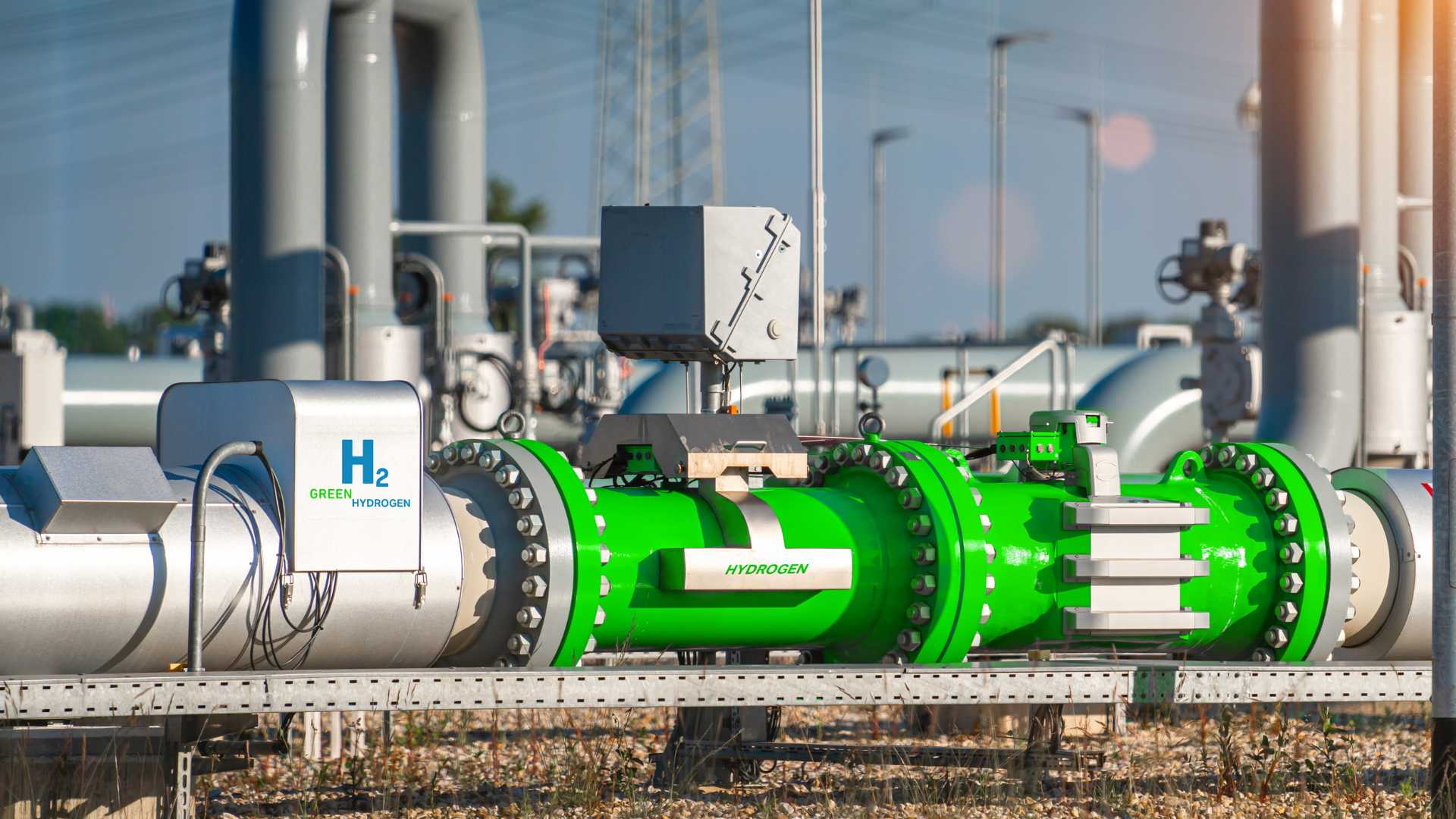
A projected €6.7 billion investment is now central to Europe’s emerging hydrogen transmission strategy, as Spanish infrastructure operator Enagás outlines plans for a cross border hydrogen backbone that would connect Portugal, Spain, France, and Germany through a dedicated energy corridor.
Original source:
Read at Green Hydrogen NewsHow We See It
New Republican Times Editorial Board
The European press treats this €6.7 billion hydrogen backbone as if the hard part is deciding to “go green.” The real story is the familiar Brussels habit of betting big on grand designs while assuming taxpayers and ratepayers will quietly carry the risk.
Conservatives look at projects like this and see public trust on the line. A cross border grid demands years of permits, land deals, and technical standards, all under multiple governments that rarely move in sync. When costs rise, the answer is usually more subsidies, not tougher oversight or an honest pause.
Energy transitions work best when they respect market discipline and energy security, not bureaucratic optimism. Europe can build whatever it wants, but Americans should learn from it: infrastructure should prove value before policy locks it in. The principle at stake is simple: accountability before ambition.
Commentary written with AI assistance by the New Republican Times Editorial Board.