

Haiti, Dominican Republic resume talks, flights after months of quiet diplomacy
This story raises questions about governance, accountability, and American values.
The coverage treats renewed talks and a few reopened flights as proof that “quiet diplomacy” works, especially with a UN blessing. That framing skips the hard question: what happens when diplomacy becomes a substitute for control, and gestures replace measurable progress. Haiti’s collapse is not a public relations problem.
New Republican Times Editorial Board
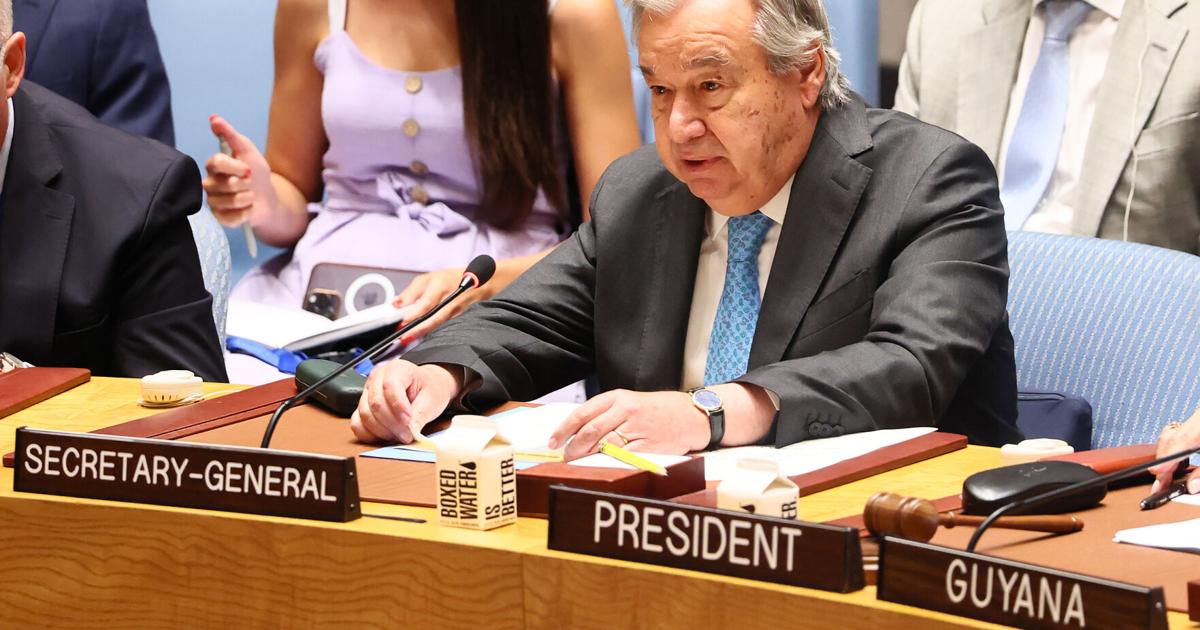
United Nations Secretary-General António Guterres is welcoming a renewed thaw in relations between Haiti and the Dominican Republic after both countries agreed to resume dialogue, and the latter agreed to allow flights to partially resume.
In a joint statement, the
Original source:
Read at Dailygazette.comHow We See It
New Republican Times Editorial Board
The coverage treats renewed talks and a few reopened flights as proof that “quiet diplomacy” works, especially with a UN blessing. That framing skips the hard question: what happens when diplomacy becomes a substitute for control, and gestures replace measurable progress.
Haiti’s collapse is not a public relations problem. It is a security vacuum with spillover risks, from migration pressure to organized crime. The Dominican Republic is right to pursue dialogue, but also to insist on border sovereignty and clear standards for travel and commerce. Any reopening without verifiable enforcement invites abuse and erodes public trust.
A serious approach starts with rule of law, not press statements. If international actors want stability, they should prioritize national security and accountability over symbolism. The principle at stake is simple: cooperation must be earned, not assumed.
Commentary written with AI assistance by the New Republican Times Editorial Board.