

Here Comes Concentrating Solar Power To Decarbonize Industrial Heat
This story raises questions about governance, accountability, and American values.
CleanTechnica treats “decarbonizing industrial heat” as the obvious goal and assumes the only real question is which technology gets us there. That framing skips past the hard part: who pays, who benefits, and what happens when another subsidized energy bet underperforms. Concentrating solar power may have niche potential, but it is not a free lunch.
New Republican Times Editorial Board
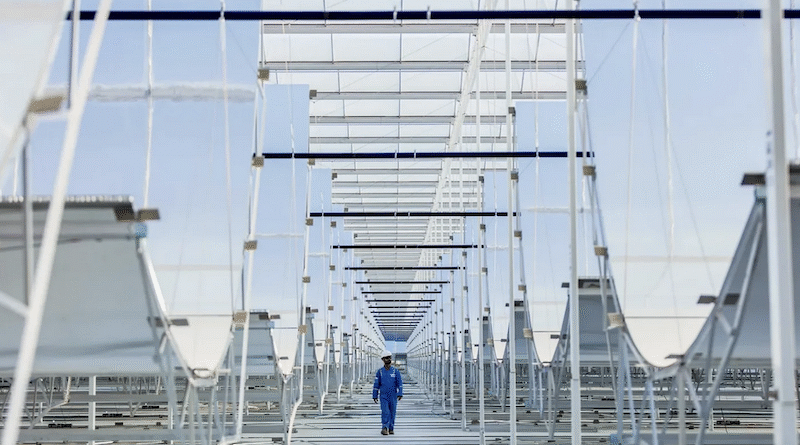
The US concentrating solar power startup GlassPoint has its sights set on ripe solar markets in the US Southwest as well as southern Europe, the Middle East, and South America. The post Here Comes Concentrating Solar Power To Decarbonize Industrial Heat appeared first on CleanTechnica.
Original source:
Read at Clean TechnicaHow We See It
New Republican Times Editorial Board
CleanTechnica treats “decarbonizing industrial heat” as the obvious goal and assumes the only real question is which technology gets us there. That framing skips past the hard part: who pays, who benefits, and what happens when another subsidized energy bet underperforms.
Concentrating solar power may have niche potential, but it is not a free lunch. Industrial heat demands reliability, dense energy, and predictable costs. Betting on desert regions and overseas markets can quickly become a story of taxpayer-backed risk and supply chains we do not control, especially if projects lean on mandates rather than merit.
A more serious approach starts with energy reliability, transparent economics, and national security. If GlassPoint can compete without special favors, great. If it cannot, policymakers should not gamble with public trust. The principle is simple: markets over mandates in infrastructure that keeps the country working.
Commentary written with AI assistance by the New Republican Times Editorial Board.