

Illinois legislators gear up for final budget talks
Fiscal discipline faces political resistance as debt accumulation threatens future generations.
Mainstream coverage treats Illinois’ end of session budget talks like a familiar ritual: leaders negotiate, a deal appears, and everyone moves on. That framing skips the most important question: who is the budget actually accountable to when decisions are made behind closed doors and rushed through on a deadline? Conservatives are not allergic to spending.
New Republican Times Editorial Board
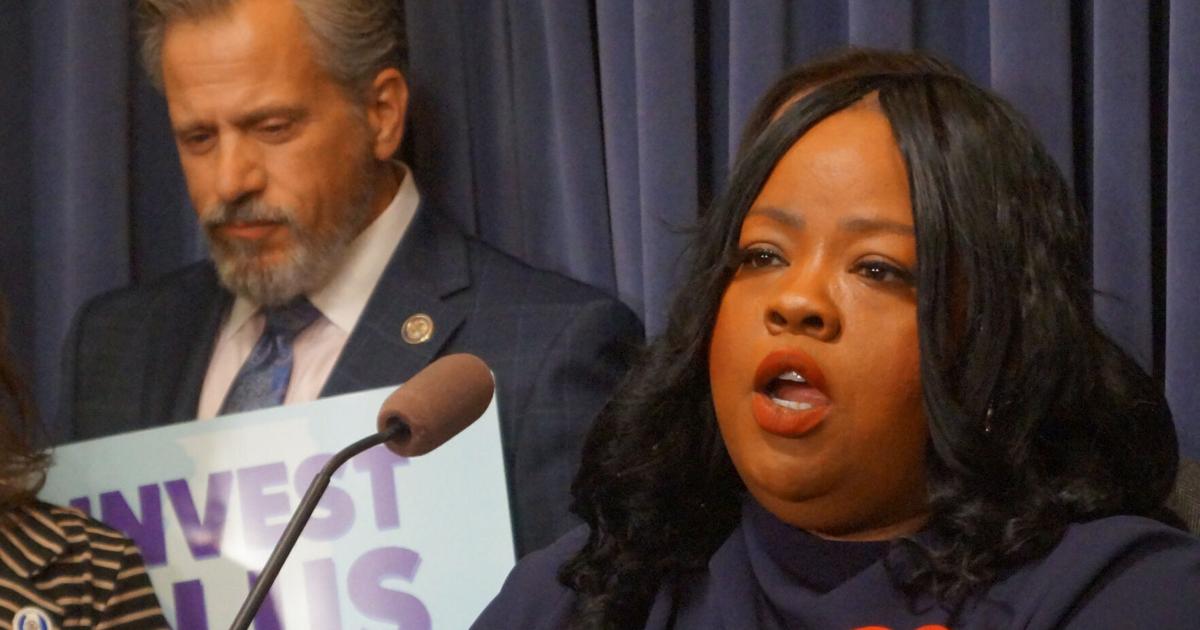
Illinois lawmakers are making their voices heard about what should be included in the fiscal year 2027 budget that’s set to be approved by May 31.
Original source:
Read at PantagraphHow We See It
New Republican Times Editorial Board
Mainstream coverage treats Illinois’ end of session budget talks like a familiar ritual: leaders negotiate, a deal appears, and everyone moves on. That framing skips the most important question: who is the budget actually accountable to when decisions are made behind closed doors and rushed through on a deadline?
Conservatives are not allergic to spending. We are allergic to spending that grows because it is easier than reform. Illinois has a long record of papering over structural problems while taxpayers absorb higher bills and businesses look elsewhere. A budget should be built around public trust, not last minute deals and vague promises.
The test is simple: fiscal discipline, rule of law, and taxpayer fairness. If leaders want legitimacy, they should prioritize transparency, measurable outcomes, and limits on gimmicks. A stable state requires institutional accountability, not just a timely vote.
Commentary written with AI assistance by the New Republican Times Editorial Board.