Inside The Trump Admin’s Approach To Drones And The Future Of Aviation
This story raises questions about governance, accountability, and American values.
Sebastian Gorka telling a room full of investors that "the future of aviation is unmanned" is the kind of line that sounds like sci-fi until you remember China has been building this industry for a decade while American regulators were still arguing about line-of-sight rules. That's the real story here. This isn't about whether drones are cool.
New Republican Times Editorial Board
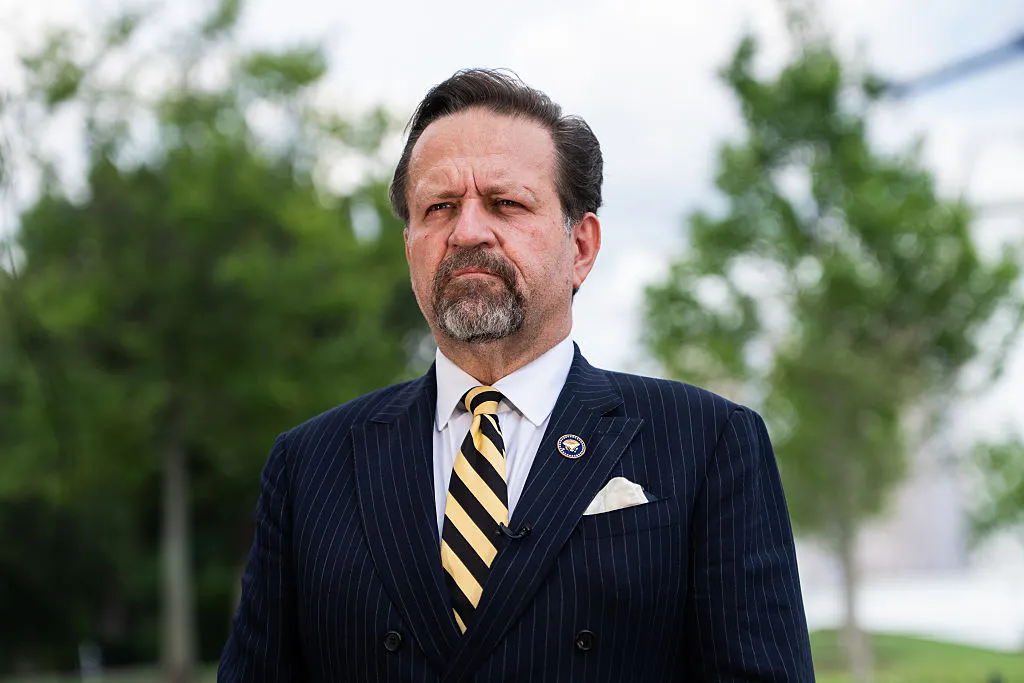
WASHINGTON—President Donald Trump’s administration believes “the future of aviation is unmanned,” White House Deputy Assistant to the President and Senior Director for Counterterrorism Sebastian Gorka shared on Friday, and the administration is scrutinizing the next generation of drone reforms to restore confidence in American airspace.
Speaking to investors and drone organizations at the American Drone
Original source:
Read at Daily WireHow We See It
New Republican Times Editorial Board
Sebastian Gorka telling a room full of investors that "the future of aviation is unmanned" is the kind of line that sounds like sci-fi until you remember China has been building this industry for a decade while American regulators were still arguing about line-of-sight rules. That's the real story here. This isn't about whether drones are cool. It's about whether the United States is going to make the things or buy them from somebody else.
For years the FAA treated drones like a hobbyist nuisance instead of an industrial sector with actual stakes. Meanwhile DJI captured something like 70 percent of the American commercial drone market, and Beijing built a manufacturing base we still don't have an answer for. When an administration official starts talking about "restoring confidence in American airspace," what he's really describing is a regulatory environment that spent years strangling domestic drone companies with paperwork while a foreign competitor ate our lunch. That's not a partisan complaint. That's just what happened.
What's worth watching is whether this turns into actual policy or stays a speech at an industry conference. Loosening beyond-visual-line-of-sight restrictions, clearing a path for delivery and inspection drones, building supply chains that don't run through Shenzhen, that's the hard, boring, unglamorous work that determines who wins this decade. Talk about the future of aviation is cheap. Standing up American manufacturing and writing rules that don't assume every drone operator is a threat, that's the part that actually matters.
If the administration follows through, this could be one of those quiet wins nobody notices until years later when American companies are flying the skies instead of renting Chinese hardware to do it. If it's just a panel discussion, it joins a long list of good speeches that changed nothing.
Commentary written with AI assistance by the New Republican Times Editorial Board.