

Inside Trump’s push to remake global women’s health around the world
This story raises questions about governance, accountability, and American values.
Rejoining the Geneva Consensus Declaration barely made a ripple in the press the first time Trump did it in 2020, and it's gotten about as much attention this time around. That tells you something. A document that says nations get to set their own family and health policy without Washington or Brussels dictating terms shouldn't be controversial at all.
New Republican Times Editorial Board
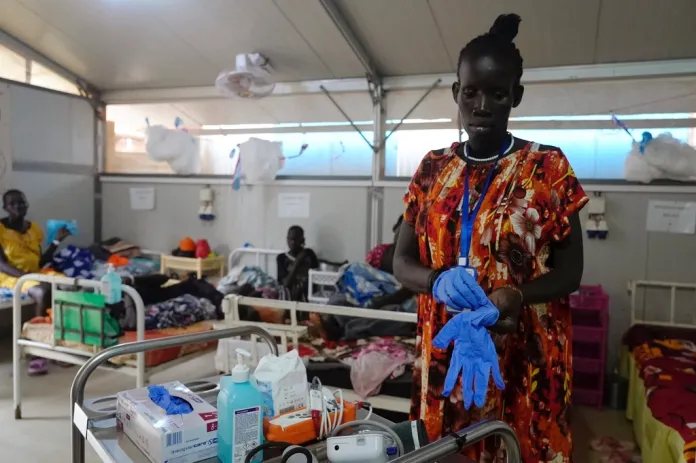
President Donald Trump reentered the White House with lofty goals to reshape U.S. foreign policy in pursuit of an “America First” global position. Within his first month in office, Trump rejoined the Geneva Consensus Declaration, a women’s health treaty drafted in the first Trump administration.
Last week, the State Department and Department of Health and […]
Original source:
Read at Washington ExaminerHow We See It
New Republican Times Editorial Board
Rejoining the Geneva Consensus Declaration barely made a ripple in the press the first time Trump did it in 2020, and it's gotten about as much attention this time around. That tells you something. A document that says nations get to set their own family and health policy without Washington or Brussels dictating terms shouldn't be controversial at all. It only reads as radical if you've spent the last few decades assuming that American foreign aid comes with an automatic ideological rider attached.
What actually happened here is less a "remaking" of global women's health and more a rollback of something that was never voted on by anyone. Previous administrations quietly built abortion promotion into the DNA of USAID and State Department health programs, then treated any pushback as an attack on women themselves. Trump's team is simply saying that maternal health, nutrition, and disease prevention can stand on their own without that attachment. Countries in Africa and Latin America that signed onto the Declaration the first time around did so willingly, often because they were tired of American money coming with cultural strings they never asked for.
The framing in most coverage treats this as some ideological crusade, but the more interesting story is the one about leverage. American taxpayers fund an enormous share of global health infrastructure, and for years that money doubled as a delivery mechanism for domestic culture war positions nobody overseas requested. Restoring the idea that a government's foreign aid dollar isn't a vehicle for exporting one party's platform is not extremism. It is closer to just remembering what foreign aid was supposed to be for in the first place.
Commentary written with AI assistance by the New Republican Times Editorial Board.