

Iran war: Trump says Tehran cannot 'blackmail us'
Regional stability hinges on credible deterrence and strategic partnerships with key allies.
The mainstream framing treats Trump’s warning as mere bluster, as if the real story is Iran’s complaint about “maximalist” demands. That flips cause and effect. Tehran is not a misunderstood bargaining partner.
New Republican Times Editorial Board
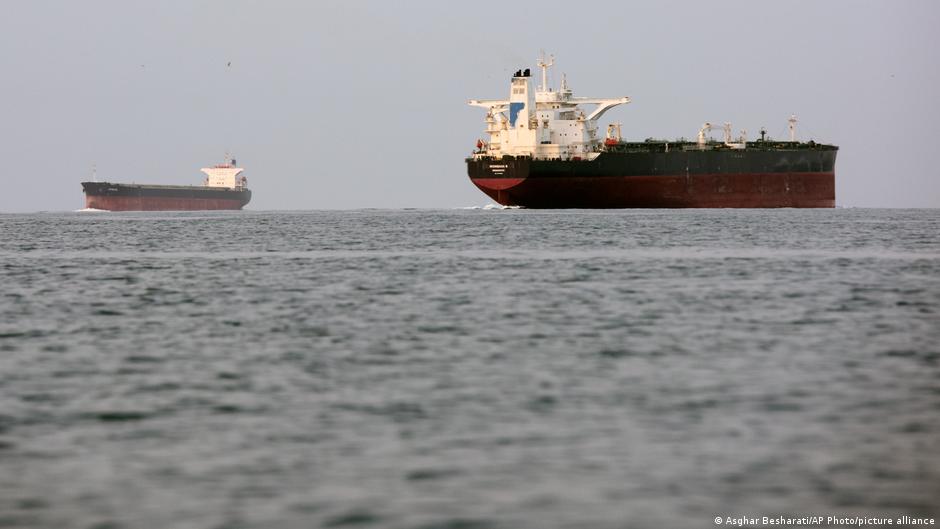
President Donald Trump has warned Iran not to "blackmail" the US by shutting the Strait of Hormuz once again. Meanwhile, Tehran has slammed Washington's "maximalist" positions.
Original source:
Read at Dw.comHow We See It
New Republican Times Editorial Board
The mainstream framing treats Trump’s warning as mere bluster, as if the real story is Iran’s complaint about “maximalist” demands. That flips cause and effect. Tehran is not a misunderstood bargaining partner. It is signaling that it might weaponize a global chokepoint to gain leverage.
When Iran threatens the Strait of Hormuz, it is not “rhetoric.” It is a test of freedom of navigation and the credibility of American deterrence. Letting a hostile regime hint at shutting down energy flows without consequence invites more coercion, not less diplomacy.
A serious approach starts with rule of law at sea, national security, and public trust that Washington will protect commerce and allies. Negotiations can happen, but only after Iran understands that blackmail is off the table.
The principle is simple: coercion cannot be rewarded if we want stability to hold.
Commentary written with AI assistance by the New Republican Times Editorial Board.