

Israel shifts to hitting Iran's economy, as it enters 'completion phase' of war
Economic uncertainty forces tough choices between short-term relief and long-term stability.
Much of the mainstream framing treats Israel’s shift toward Iran’s economy as either escalation or vengeance. That misses the practical logic: when a regime can still fund proxies and missiles, destroying launchers alone does not end the threat. Conservatives tend to ask a simpler question: what changes the regime’s behavior?
New Republican Times Editorial Board
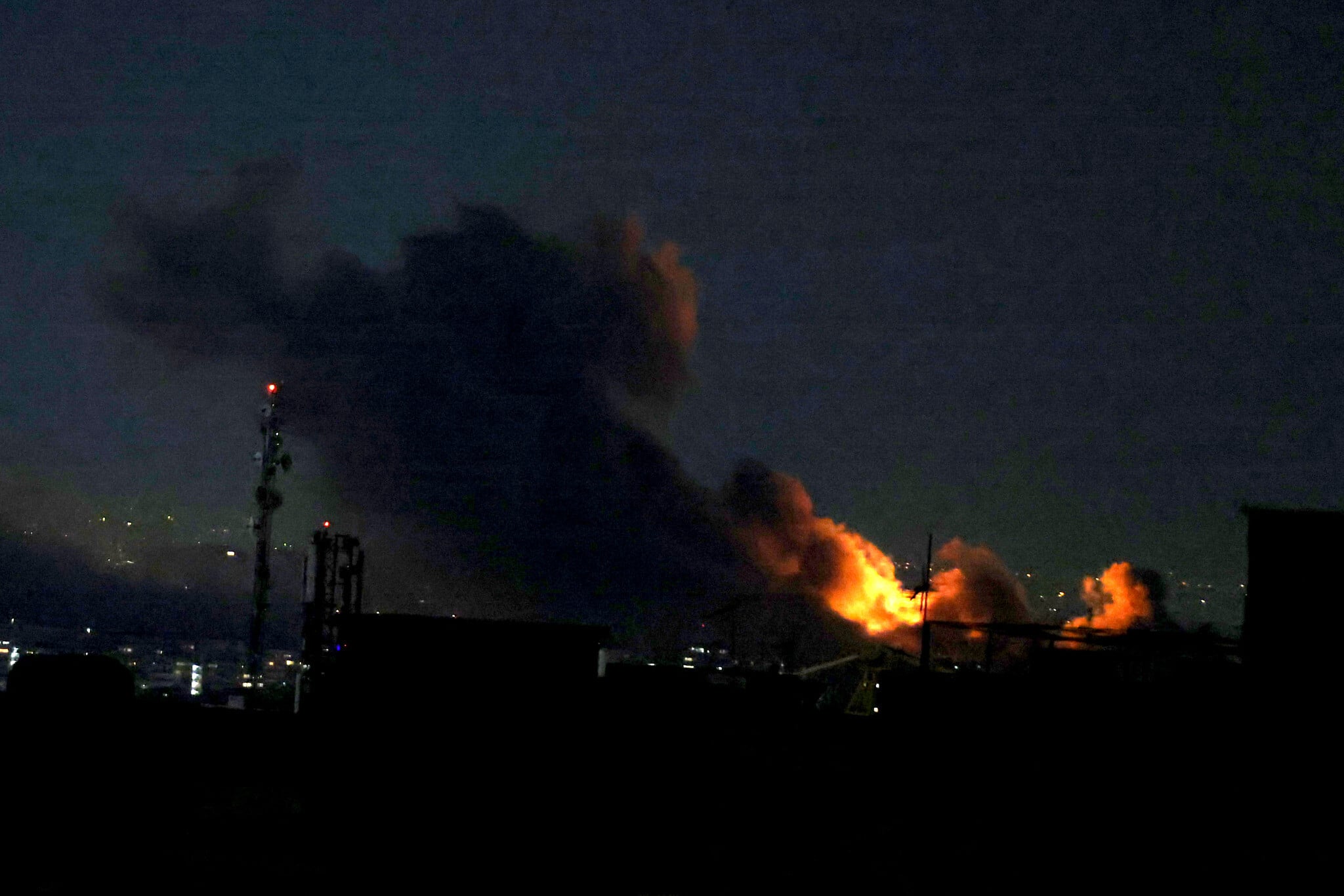
Leaders order IDF to cause economic damage to Iranian regime, after nearly finishing bombing all military targets outlined at start of campaign
Original source:
Read at The Times Of IsraelHow We See It
New Republican Times Editorial Board
Much of the mainstream framing treats Israel’s shift toward Iran’s economy as either escalation or vengeance. That misses the practical logic: when a regime can still fund proxies and missiles, destroying launchers alone does not end the threat.
Conservatives tend to ask a simpler question: what changes the regime’s behavior? Targeting revenue, logistics, and the machinery that bankrolls the IRGC can be a form of deterrence, not drift. It also forces clarity on Tehran’s choice to prioritize regional aggression over its own people’s prosperity.
But this only works if it stays tethered to rule of law, discrimination in targeting, and public trust. Civilian suffering that looks indiscriminate becomes a strategic gift to Iran’s propagandists.
The principle at stake is national security through credible costs on hostile regimes, paired with institutional stability that keeps wars from expanding by accident.
Commentary written with AI assistance by the New Republican Times Editorial Board.