

"It's amazing how resilient consumer spending has been" amid the war, analyst says
Fiscal discipline faces political resistance as debt accumulation threatens future generations.
The coverage treats “resilient consumer spending” like a happy headline, as if households are proving their strength by swiping the card a little longer. But that framing skips the obvious question: resilient for whom? At $4.
New Republican Times Editorial Board
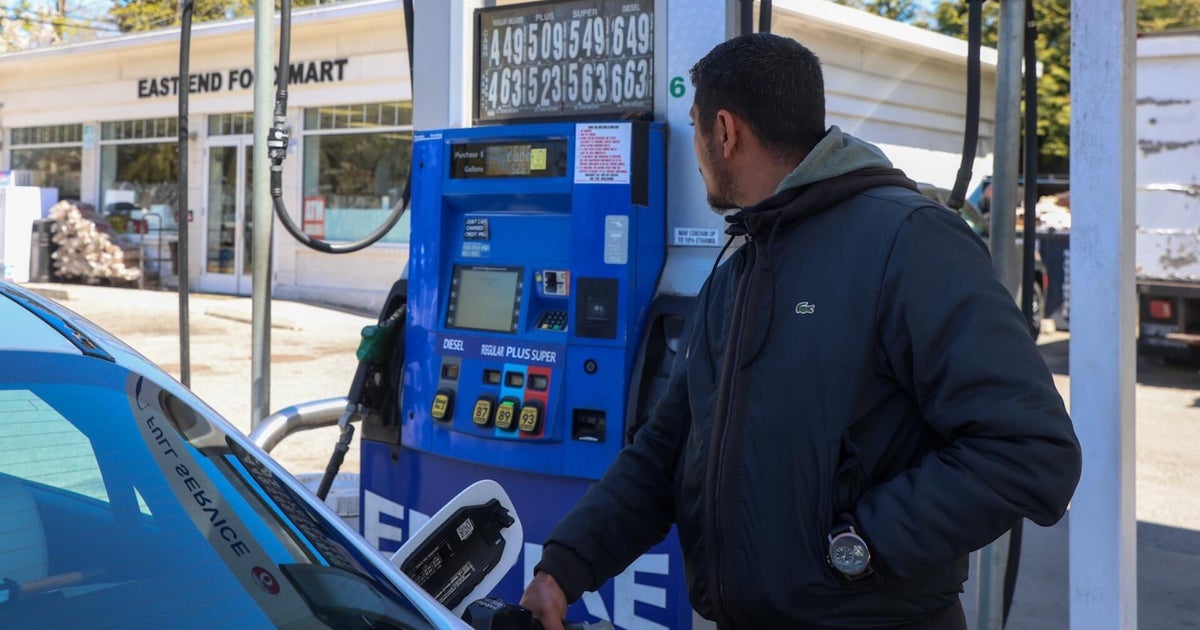
The national average gas price is up to $4.30 per gallon, the highest in four years, as President Trump said Thursday that gas prices "will drop like a rock" when the Iran war ends. Ted Rossman, principal analyst at Bankrate, joins "The Daily Report" with more.
Original source:
Read at CBS NewsHow We See It
New Republican Times Editorial Board
The coverage treats “resilient consumer spending” like a happy headline, as if households are proving their strength by swiping the card a little longer. But that framing skips the obvious question: resilient for whom? At $4.30 a gallon, plenty of families are not thriving, they are absorbing another forced expense.
What gets missed is how energy shocks ripple. Higher fuel costs raise grocery prices, delivery fees, and commuting bills. When analysts praise spending without separating real wages from debt-fueled consumption, they risk confusing endurance with health. A strong economy is not just activity, it is purchasing power that is sustainable.
Conservatives focus on energy security, sound money, and public trust. If a war can jolt prices overnight, then policy should prioritize domestic production, stable supply chains, and restraint that avoids unnecessary conflict. The principle at stake is economic stability, not optimism.
Commentary written with AI assistance by the New Republican Times Editorial Board.