

Jerome Powell says $39 trillion national debt is ‘not unsustainable,’ but it ‘will not end well’
This story raises questions about governance, accountability, and American values.
Powell’s line that $39 trillion is “not unsustainable” sounds like the familiar Washington comfort blanket: yes, it’s a problem, but not quite an emergency. The media framing treats this as an abstract fiscal weather report, not a political choice with consequences. Conservatives hear something else: the head of our central bank acknowledging the math while sidestepping the accountability.
New Republican Times Editorial Board
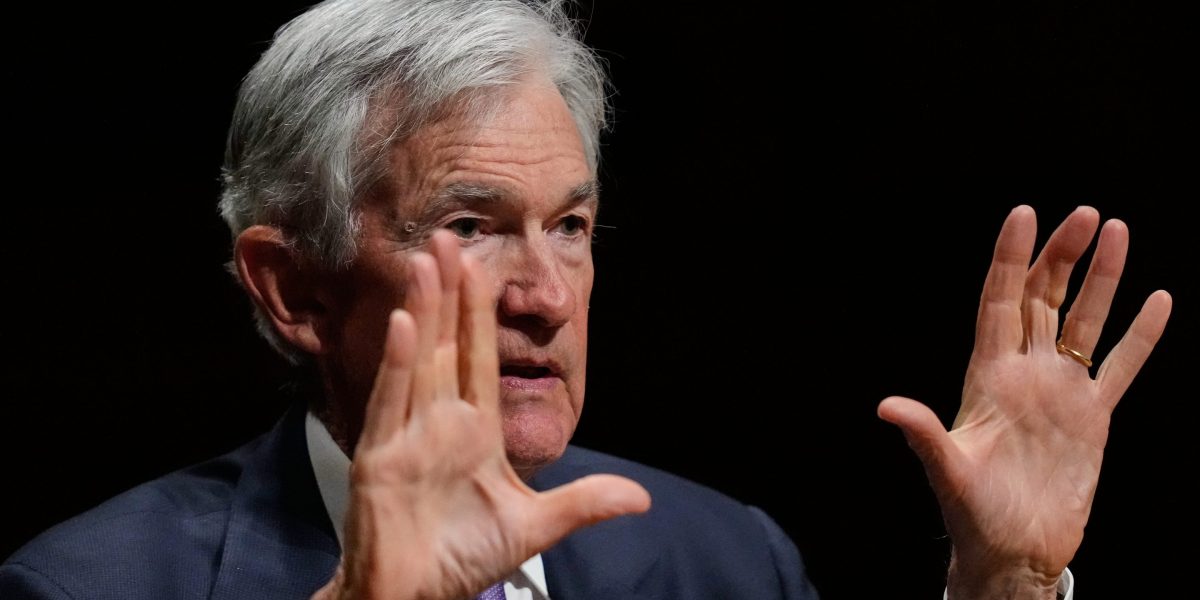
“The federal government debt is growing substantially faster than our economy,” the Fed chair told a roomful of Harvard students.
Original source:
Read at Fortune.comHow We See It
New Republican Times Editorial Board
Powell’s line that $39 trillion is “not unsustainable” sounds like the familiar Washington comfort blanket: yes, it’s a problem, but not quite an emergency. The media framing treats this as an abstract fiscal weather report, not a political choice with consequences.
Conservatives hear something else: the head of our central bank acknowledging the math while sidestepping the accountability. Debt that outpaces growth is not a philosophical debate. It becomes higher borrowing costs, crowded out private investment, and a government that leans harder on monetary tricks instead of hard decisions.
The core issue is public trust. A country that can’t control its balance sheet invites pressure on the Fed, risks institutional stability, and weakens national security when creditors gain leverage.
The principle at stake is simple: rule-of-law budgeting means living within limits before markets impose them.
Commentary written with AI assistance by the New Republican Times Editorial Board.