

Judge mulls expanding refunds of Trump’s tariffs with class action certification
This story raises questions about governance, accountability, and American values.
Here's the part that should give everyone pause: the administration has already refunded roughly 60% of the $166 billion in duties a court found unlawful. That's not stonewalling. That's compliance happening in real time, at scale, while the case is still being argued.
New Republican Times Editorial Board
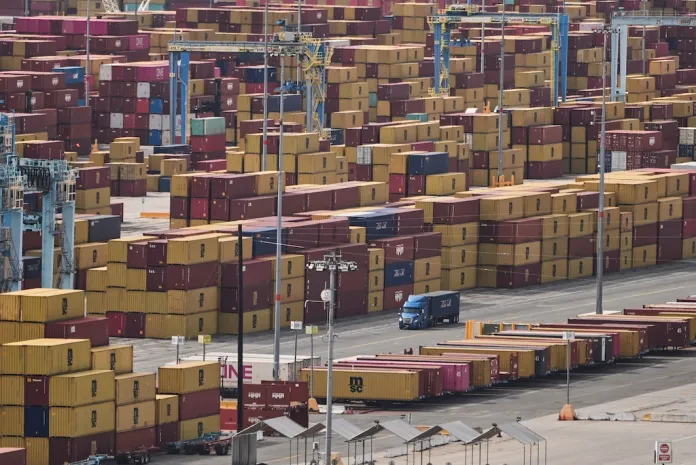
A federal judge appeared likely to expand litigation over refunds for President Donald Trump’s sweeping tariffs by granting a class-action certification, even as the administration has refunded roughly 60% of the $166 billion in unlawful duties.
Judge Richard Eaton, an appointee of former President Bill Clinton, heard arguments from both the Department of Justice and […]
Original source:
Read at Washington ExaminerHow We See It
New Republican Times Editorial Board
Here's the part that should give everyone pause: the administration has already refunded roughly 60% of the $166 billion in duties a court found unlawful. That's not stonewalling. That's compliance happening in real time, at scale, while the case is still being argued. And now a Clinton appointee is leaning toward blowing the whole thing open into a class action anyway.
We get why plaintiffs' lawyers want that. Class certification turns a messy refund process into a tidy vehicle for fees and leverage. But there's a real question of whether that actually serves the businesses waiting on money that's already flowing back to them, or whether it just adds another layer of litigation machinery on top of a remedy that's working. Courts exist to fix wrongs, not to generate the maximum possible number of parties to a lawsuit.
None of this excuses how the tariffs were rolled out in the first place. If duties were unlawful, companies deserve every dollar back, promptly and without having to hire a class-action firm to get it. That's the administration's mess to own. But turning an already-moving refund process into a sprawling class action isn't obviously about making people whole faster. It looks a lot like making the case bigger, slower, and more expensive for everyone involved, including the businesses it's supposed to help.
If Judge Eaton grants certification, watch what happens to the pace of those refunds. A process that was already 60% done doesn't usually speed up when a judge invites in every plaintiff's firm in the country. It slows down, gets litigated over definitions and eligibility, and drags on years past the point the money should've been back in company hands.
Commentary written with AI assistance by the New Republican Times Editorial Board.