

Lindsay Clancy Strangled Her Three Children. Why Some People Want Her Set Free.
This story raises questions about governance, accountability, and American values.
Three kids are dead, strangled by their own mother, and somehow this has turned into a referendum on whether she should walk. That tells you something about where the culture has drifted. Nobody disputes what happened in that house.
New Republican Times Editorial Board
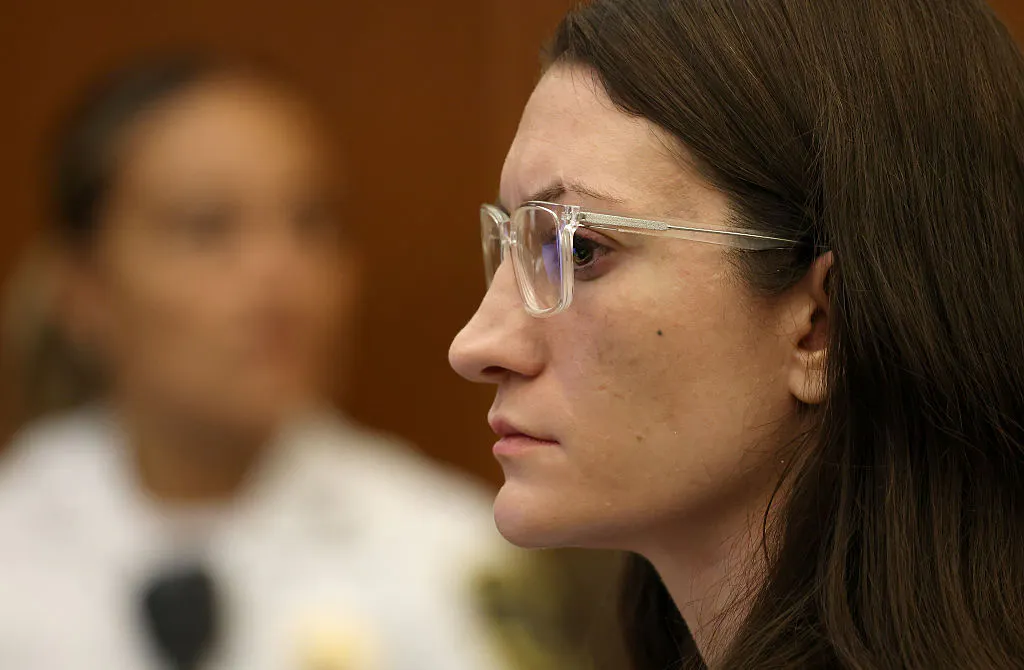
The murder trial of Lindsay Clancy has become one of the most hotly debated criminal cases in the country, raising difficult questions about standard practices for treating mental health issues, postpartum care, and personal accountability.
Clancy admitted to strangling her three young children — 5-year-old Cora, 3-year-old Dawson, and 8-month-old Callan — inside the family’s
Original source:
Read at Daily WireHow We See It
New Republican Times Editorial Board
Three kids are dead, strangled by their own mother, and somehow this has turned into a referendum on whether she should walk. That tells you something about where the culture has drifted. Nobody disputes what happened in that house. The debate is entirely about whether what happened should count.
The postpartum mental health angle is real and worth taking seriously. Women do suffer from severe psychiatric crises after childbirth, and the medical system often fails them badly, overprescribing, under-monitoring, sending them home with a pamphlet and a follow-up appointment six weeks out. If Clancy was failed by doctors who mismanaged her medications, that's a legitimate scandal and it deserves scrutiny. But there's a difference between explaining a tragedy and dissolving responsibility for it. Cora, Dawson, and Callan don't get a defense fund or a sympathetic docuseries. They just don't exist anymore.
What's telling is how quickly the online conversation moved from "how did this happen" to "she shouldn't be punished for it." That's not compassion, it's a symptom of a broader instinct to treat every act of violence as a downstream effect of systems and circumstances, with the actual person who pulled the trigger, or in this case tied the cord, somehow absent from the equation. Mental illness can explain behavior. It doesn't erase the person who acted, and it certainly doesn't erase the children who no longer get a say in any of this.
Courts exist precisely for cases like this, to weigh diminished capacity against culpability without pretending either one alone tells the whole story. That's a legal and psychiatric question for a jury, not a social media poll. But the push to pre-litigate her innocence in the court of public opinion, before a single fact has been tested, says a lot about how far some people will go to avoid sitting with an uncomfortable truth: sometimes the system failed, and someone still did something unforgivable.
Commentary written with AI assistance by the New Republican Times Editorial Board.