

Looking to limit birthright citizenship, Trump turns to an 1884 ruling against a Native American
This story raises questions about governance, accountability, and American values.
The coverage treats Trump’s interest in limiting birthright citizenship as if it rests on a dusty, offensive relic. That framing nudges readers to see the debate as moral theater, not a serious question about what “**subject to the jurisdiction**” was meant to constrain. Conservatives are not arguing that some Americans are “less American.
New Republican Times Editorial Board
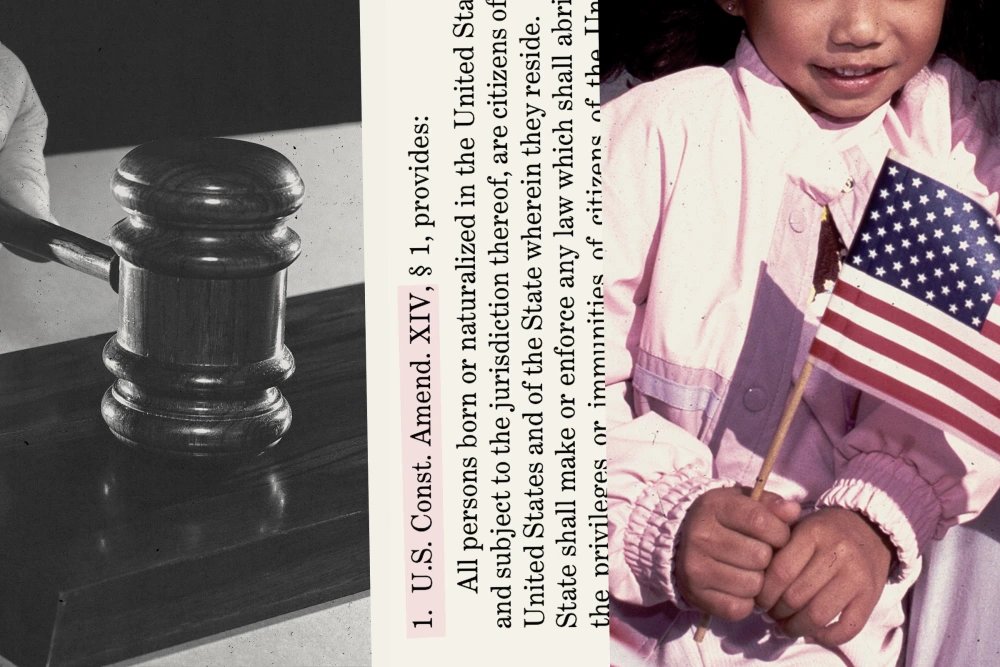
“All persons born or naturalized in the United States, and subject to the jurisdiction thereof, are citizens of the United States,” the 14th Amendment states.
Original source:
Read at NBC 5 DallasHow We See It
New Republican Times Editorial Board
The coverage treats Trump’s interest in limiting birthright citizenship as if it rests on a dusty, offensive relic. That framing nudges readers to see the debate as moral theater, not a serious question about what “subject to the jurisdiction” was meant to constrain.
Conservatives are not arguing that some Americans are “less American.” The concern is that an expansive reading has created a magnet for birth tourism and illegal entry, while Washington pretends the Constitution requires it. The 1884 case is less a totem than a reminder that citizenship has always involved allegiance and jurisdiction, not just geography.
A durable country depends on rule of law, public trust, and a citizenship policy that does not reward evasion. The principle at stake is whether constitutional language still sets limits, or simply blesses whatever incentives our border chaos creates.
Commentary written with AI assistance by the New Republican Times Editorial Board.