MAGA targets Brian Mast over AI chips regulation
Administrative state expansion raises questions about democratic accountability and economic freedom.
Axios frames this as a MAGA food fight, as if the only story is personalities dunking on each other online. That misses what’s actually at stake: whether Washington can restrain a strategic technology transfer without turning it into a lobbying playground or a power grab. Conservatives have a plain concern here.
New Republican Times Editorial Board
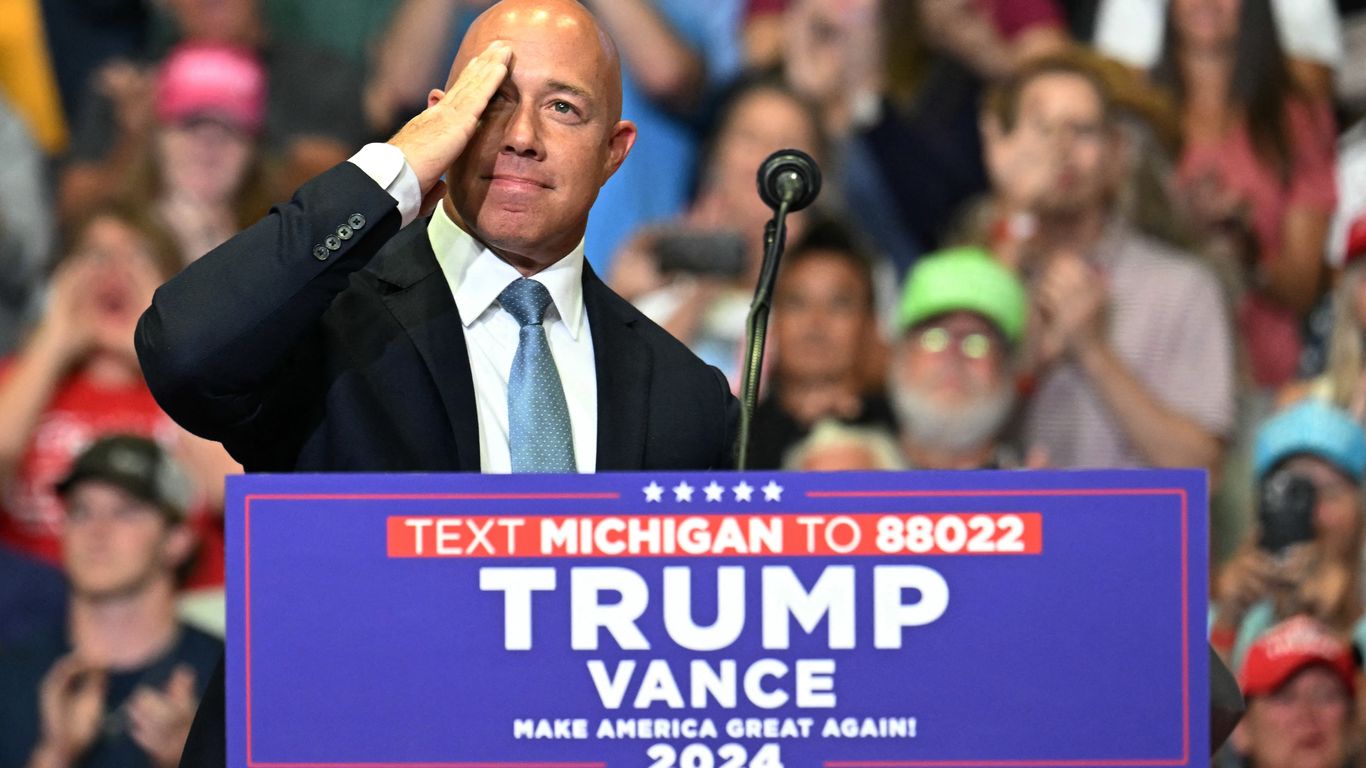
Top MAGA influencers, including Laura Loomer and David Sacks, are picking a public fight with a key GOP lawmaker over who should regulate the sale of AI chips to China.Why it matters: Legislation from House Foreign Affairs Chair Brian Mast (R-Fla.) isn't even out of committee.
But the accusations are flying fast. "The AI Overwatch Act (H.R. 6875) may sound like a good idea, but when you examine it closely, it's pro-China sabotage disguised as oversight," Loomer said on X."Kill the bill," she said.Driving the news: Sacks, the president's top adviser on crypto and artificial intelligence, opened hostilities Thursday night by retweeting a post that suggested Mast's bill — the AI OVERWATCH Act — would undermine the president."Correct," Sacks posted on X.Mast fired back: "My job is not to be a ...
Original source:
Read at AxiosHow We See It
New Republican Times Editorial Board
Axios frames this as a MAGA food fight, as if the only story is personalities dunking on each other online. That misses what’s actually at stake: whether Washington can restrain a strategic technology transfer without turning it into a lobbying playground or a power grab.
Conservatives have a plain concern here. AI chips are not sneakers. They are dual-use tools that can sharpen China’s military and surveillance state. If the administration wants flexibility, it should still meet a clear test of national security and public trust, not corporate revenue targets. And if Congress wants oversight, it should avoid creating a permanent bureaucracy that weakens institutional accountability.
The right answer is not “industry decides” or “Congress decides.” It’s rule of law with narrow, enforceable standards that keep leverage in American hands and protect fairness for U.S. workers without subsidizing a competitor.
Commentary written with AI assistance by the New Republican Times Editorial Board.