

Maine Man Sentenced to Three Years for Stealing Identity to Double-Dip on SNAP Benefits
This story raises questions about governance, accountability, and American values.
Three years in federal prison for stealing someone else's identity to run a second SNAP account is not excessive. It is what accountability looks like when it actually shows up. This wasn't a guy who fudged an income number on a form.
New Republican Times Editorial Board
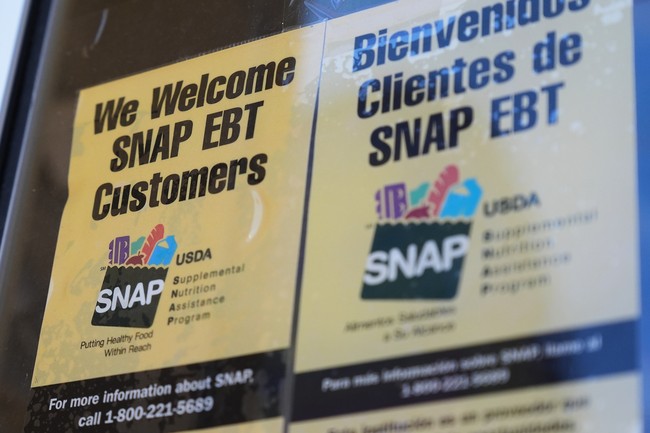
A Maine man was sentenced earlier this week in U.S. District Court in Portland to aggravated identity theft, false statements relating to healthcare matters, and unlawful use of Supplemental Nutrition Assistance Program (SNAP) benefits.
Original source:
Read at TownhallHow We See It
New Republican Times Editorial Board
Three years in federal prison for stealing someone else's identity to run a second SNAP account is not excessive. It is what accountability looks like when it actually shows up. This wasn't a guy who fudged an income number on a form. He took another person's identity, used it to open a second stream of benefits, and lied to get health care coverage on top of it. That's not a paperwork mistake. That's fraud committed with intent, dressed up to look like need.
We keep hearing that programs like SNAP are underfunded, that beneficiaries are scraping by, that any scrutiny of the system is heartless. Fine. But stories like this one are exactly why people lose faith in that argument. Every dollar this guy siphoned off by impersonating someone else is a dollar that didn't go to a family actually struggling to put food on the table. Identity theft isn't a victimless white-collar footnote here. Somebody's name and Social Security number got used as a tool, and there's a real person out there dealing with the fallout of that theft long after this sentencing hearing wraps up.
What's worth noting is how ordinary this kind of case has become. It rarely makes national news, it gets a paragraph in a wire report, and then it disappears. But multiply this by however many similar cases move through federal courts every year and you start to understand why public assistance programs need real verification, real audits, and real consequences, not just good intentions and a shrug when the money goes missing.
Three years won't undo the damage to the identity theft victim or fully account for what was stolen from a program meant to help people who actually need it. But it sends the right signal: steal someone's identity to game the system, and the system will eventually catch up with you. That's not cruelty. That's basic stewardship of a program taxpayers fund in good faith.
Commentary written with AI assistance by the New Republican Times Editorial Board.