

Maps of a vanished world: The myth of containing Iran
Regional stability hinges on credible deterrence and strategic partnerships with key allies.
The piece treats “containment” as a tired Western fantasy and then quietly smuggles in a bigger claim: that Iran’s rise is inevitable, even natural. But Tehran’s “centrality” is not a sign of regional legitimacy. It is a measure of how much coercion and proxy warfare it can finance when the world looks away.
New Republican Times Editorial Board
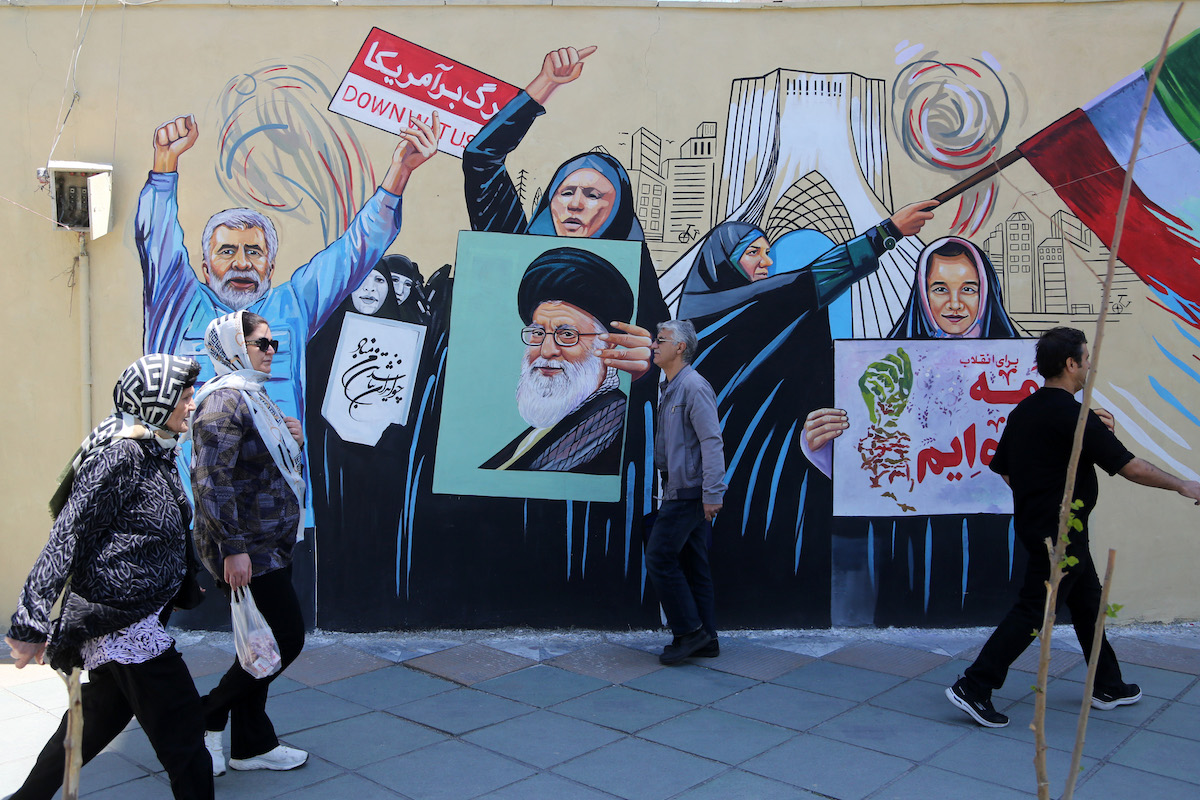
Despite decades of maximum pressure, crippling sanctions, and diplomatic isolation, the geopolitical reality of the Middle East suggests a profound paradox: the more the West and its regional allies speak of “containing” Iran, the more central Tehran becomes to the regional order.
From the Levant to the Gulf of Aden, the Islamic Republic has moved beyond being a mere “disruptor” to becoming a structural pillar of the Middle East’s political and security landscape. The Western-led strategy of containment has largely operated on the assumption that Iran could be boxed in until it either capitulated or collapsed.
However, this approach has failed to account for Tehran’s “strategic depth”—a sophisticated blend of asymmetric alliances, ideological soft power, and a resilient, albeit battered, [...
Original source:
Read at Middle East MonitorHow We See It
New Republican Times Editorial Board
The piece treats “containment” as a tired Western fantasy and then quietly smuggles in a bigger claim: that Iran’s rise is inevitable, even natural. But Tehran’s “centrality” is not a sign of regional legitimacy. It is a measure of how much coercion and proxy warfare it can finance when the world looks away.
What falls short is the assumption that the only alternatives are capitulation or collapse. A serious Iran policy starts with deterrence and hard limits, not seminars about “strategic depth.” Sanctions are not magic, but neither is normalization. The point is to narrow Iran’s room to arm militias, threaten shipping, and creep toward nuclear breakout.
Any strategy worth the name has to protect national security, uphold the rule of law, and restore public trust that red lines mean something. Stability comes from enforcing boundaries, not accepting the arsonist as part of the fire code.
Commentary written with AI assistance by the New Republican Times Editorial Board.